

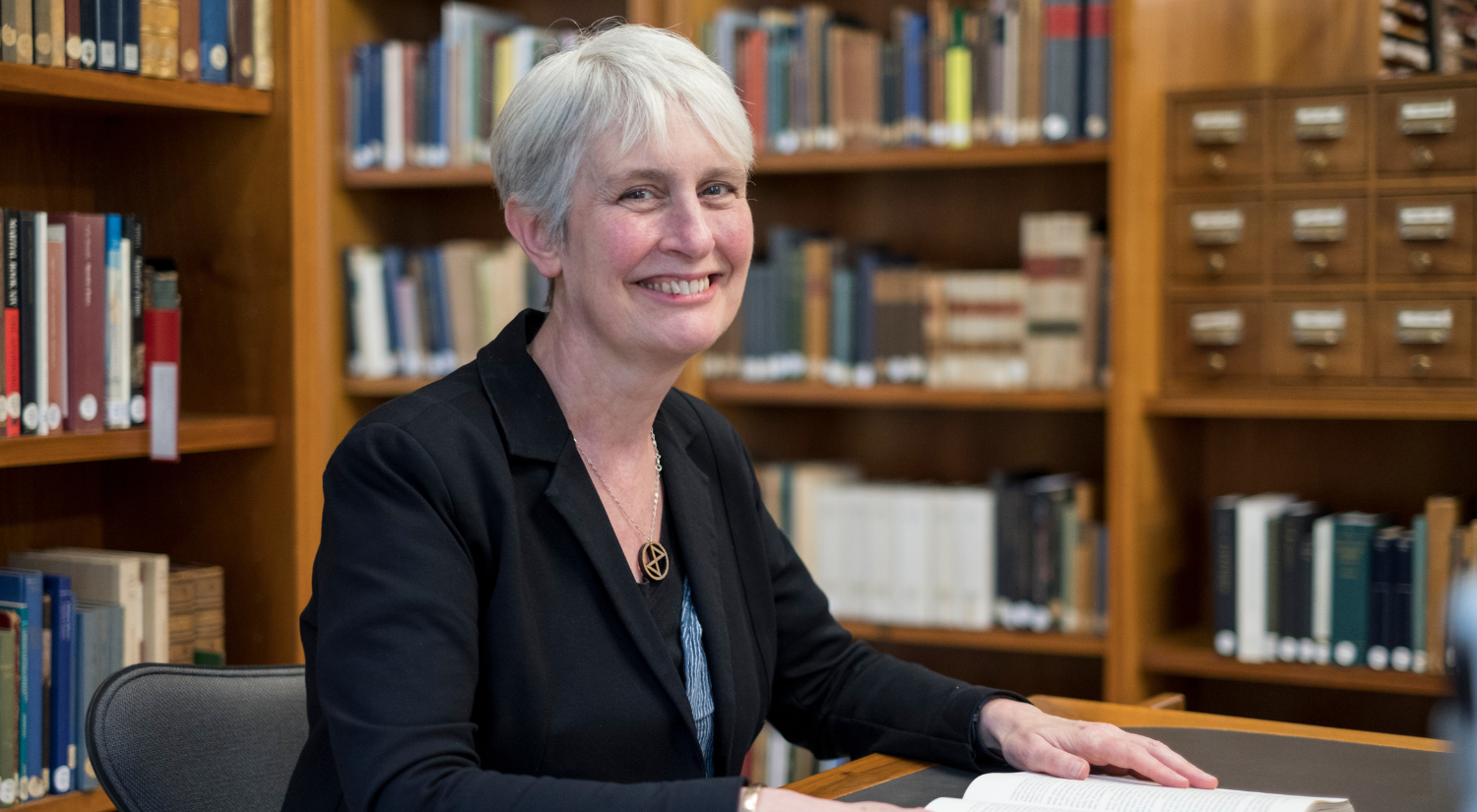
Professor Mary Laven, BSR Associate Fellow at the British School at Rome from January to June 2026, shares insights into the development of her research project, “Diversifying the Italian Renaissance”
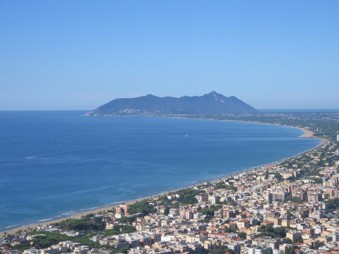
As a heatwave hits Rome, I’ve been thinking about the beach. Or to be more precise, that stretch of coast south of the city that runs from Anzio to Gaeta. It’s an area that is popular with locals for its long stretches of sand, clear blue waters, and excellent seafood.
To be clear, I’ve not been squandering my precious time as a BSR Associate Fellow sunbathing. Most of my thinking has been conducted in the Archivio di Stato, on Corso Rinascimento. Apart from being one of the best places to hide away in high temperatures, thanks to its thick walls and shady cloisters, the archive holds records for the entire Papal State, from the Adriatric to the Tyrrhenian, and allows us to glimpse past lives in little-studied corners of Italy.
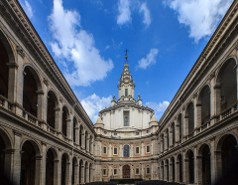
Here, in the Sala di Studio, I’ve been pursuing my project ‘Diversifying the Italian Renaissance.’ My hypothesis is that the ‘Italian Renaissance’ would never have happened were it not for the constant influx of people, objects, materials, designs and technologies from overseas.
Not only was the magnificence of the Renaissance funded by international trade and finance. There were more tangible connections: Ottoman carpets, Chinese porcelain and German armour were highly valued in Italy, as were Flemish painters and Spanish leatherworkers. And then there were the materials that were key to Renaissance art: without lapis lazuli from Afghanistan, silver from Austria or tin from Cornwall, the Italian Renaissance would have looked very different.
While previous scholars have gone in search of such connections in the most famous Italian cities, the Roman archives have taken me to small settlements along the Lazio coast known as the spiaggia romana.
This is why I found myself reading about a shipwreck off the coast of Nettuno in 1543. Captain Pirroantonio, ‘capitan dela roccha di Neptuno’ brought the matter to the attention of the Roman authorities, reporting that 30 or more armed men – vassals of Signor Camillo from nearby Sermoneta – had turned up on horseback and seized the majority of the cargo that had washed up on the beach near the medieval fort Torre Astura.
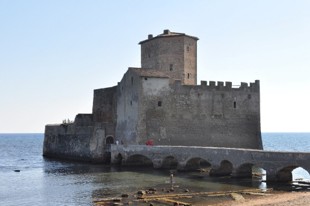
The detailed transcript of the interrogation of witnesses reveals a bizarre scene of Pirroantonio and conscripted men from Nettuno trying to impose order, as the large gang from Sermoneta run off with quantities of luxury goods: ‘2000 things’ according to the captain, worth 25,000 scudi, including sacks of pepper, olives, fine tablecloths, cloth, and ‘24 or 28 pairs of perfumed gloves’ – the last most likely imported from Spain.
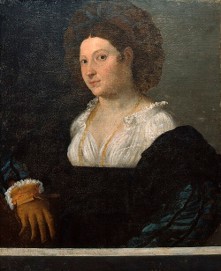
Thanks to the work of historians like Evelyn Welch, we know that – for Renaissance patrons – the acquisition of high-quality goods from abroad was no trivial concern. Spanish gloves were conspicuously displayed in portraits from the period, a vehicle for self-fashioning and a sign of superior taste. The Nettuno case brings the luxury goods of the Renaissance down to earth and reminds us of their precarious travels – across seas, via the beach, and into the hands of bandits – before reaching their ultimate destination in elite households.
Skip to 1598 and Nettuno was in the news again, this time because of the capture of ‘ten Turks’ who had arrived from North Africa. A list of the men reveals that they came originally from the Aegean: Assan de Mahomat from Izmit east of Constantinople, Erege de Suleman de Regli ‘from the Black Sea’, Hussein Suleman from an island near Chios … As locals fired arquebuses and the ‘Turks’ wielded scimitars, both parties had good cause to fear enslavement.
For the people of Nettuno, people and things from foreign lands were part of everyday life: a dangerous yet potentially lucrative presence. My task is to consider the cultural consequences of such encounters on the shores of the spiaggia romana.