

In this blog, Richard Malone, Derek Hill Scholar at the British School at Rome (February–March 2026), discusses the project he developed during his residency: “A Record of Tenderness: Exploring Queer and Working-Class Representation from the Early Renaissance to the Present Day.”
I’m fascinated by materiality – particularly the hierarchy of surface that we participate in, or trust blindly – something inherited from education, or patronage or monetary value. Rome is full of preserved surfaces, ideas or ideals of value, taste and Eurocentric beauty that it is fascinating to live alongside. An oil painting is considered more significant than painting as decorating, a plaster sculpture is more valuable than plastering, we still have no record of the people who were responsible for weaving the canvasses for the endless masterpieces in the city. For a city that preserves so many artworks, it is an example of a wider system of value whereby the people responsible for the built world around us – makers, weavers, seamstresses, bricklayers, plasterers etc, remain anonymous. Rome itself is a museum, constantly up-kept, preserved, referenced – a living vitrine of civilisations, and within this museum, are all of the problems, conflicts and challenges that come with categorisation, gender, class and identity.
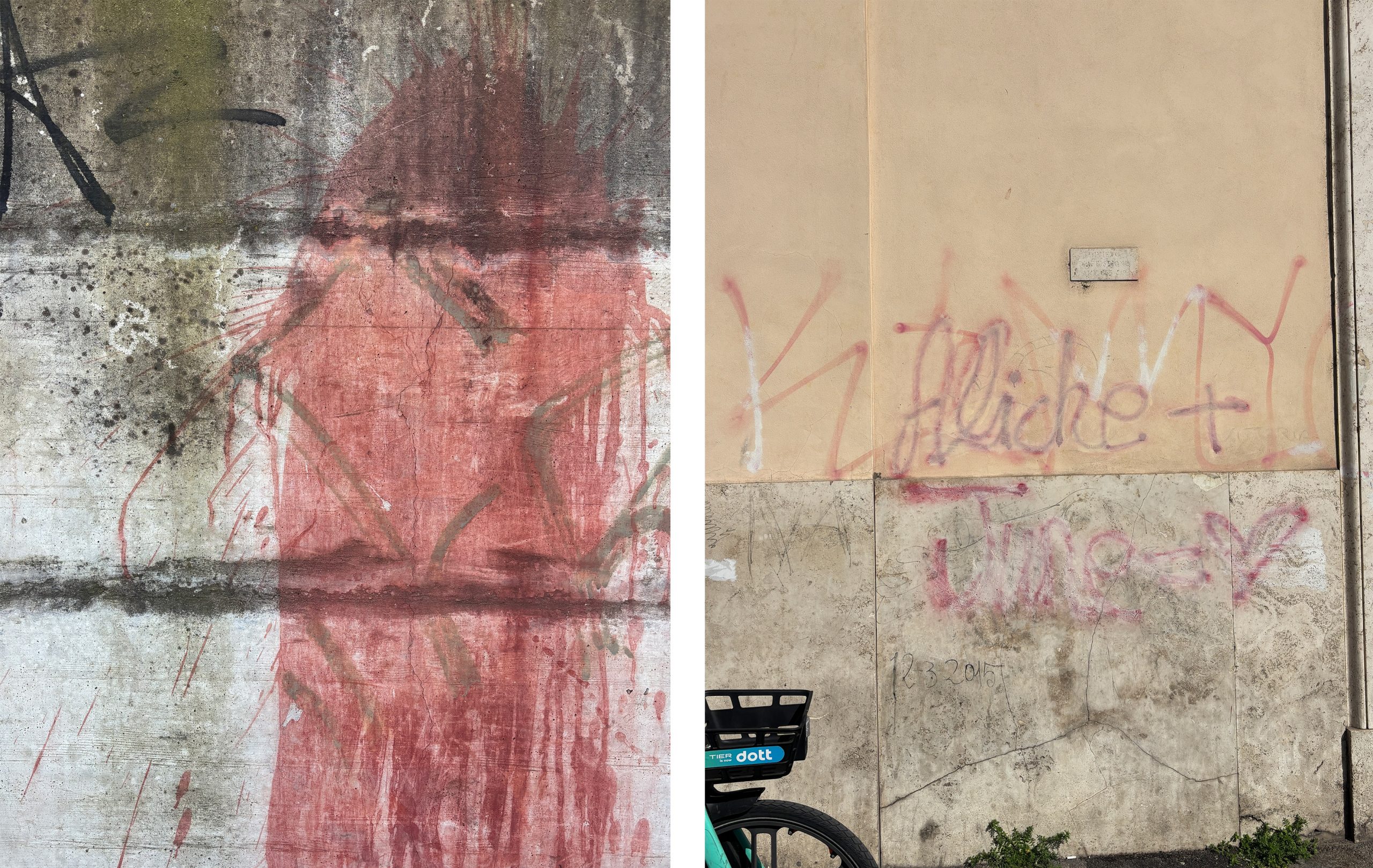
I am interested in the idea of perceived truths, where individuals might rely on institutional research, museums, public collections or archives to carry historical accuracy or ‘truth’, and in turn, visibility, or history itself. My main research practice focuses on the invisible – how queerness and class are perceived and archived, if recorded at all. Queer relationships, stories, biographies, have been historically erased throughout history, removed to support strict standards of beauty and religious dogma, repeatedly. Working class identities continue to be rarely recorded, often reduced to a problematic image to represent a whole portion of society with various beliefs, histories and customs. Both of these markers of identity are biographically related to me, as a queer, working class person from rural Ireland, hence why when working in archives I have witnessed extraordinary gaps in how research is collated or preserved. If we have a homogenised group of people in power, the dial will never shift. Even in conversations with researchers and fellows, my questions seem wildly different. It’s a lived experience of understanding your perspective is not the general one. When I ask, for example – who built this? Who made this? I do not mean the patron, I mean the maker. I mean the hands responsible for the labour. I understand my own practice, or the markers of it, as something learned outside of a system of formal education – I was taught to sew by my grandmother, a seamstress at our local hospital, and I learned about colour and mixing paint from my father, who was a painter and decorator. I worked with him on building sites – in-process spaces full of work, systems of making, preparing and finishing that go unnoticed in the final building – the same acts are consistent throughout the city of Rome. Dust sheets set up and graffiti painted over, again and again. Frescoes preserved, key areas highlighted. Textile walls are peeled back, replenished, restitched. A quiet rhythm that is overlooked in museums and archives, yet vital to the upkeep of all cultural institutions, and in turn, stories of history.
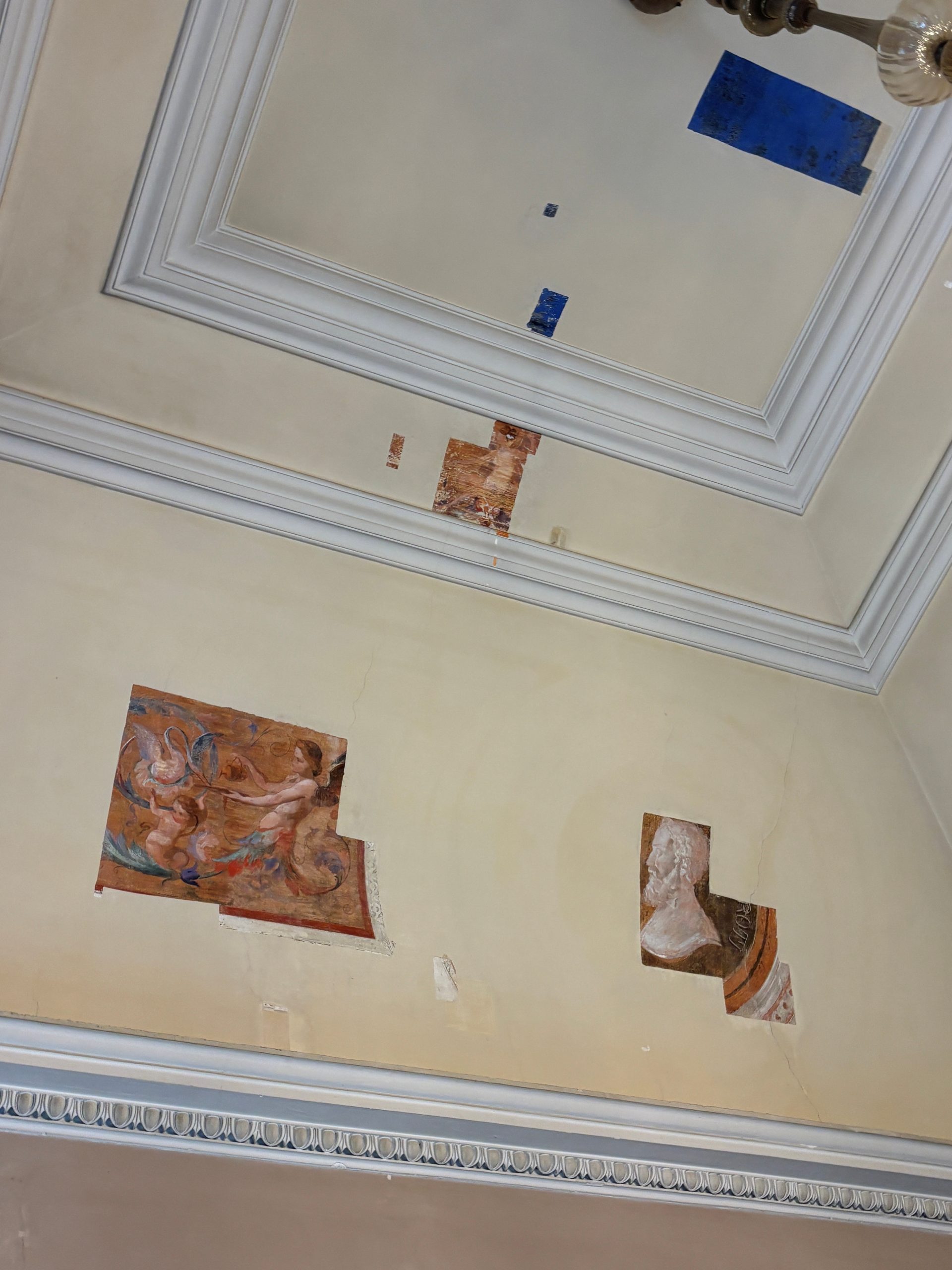
The very structure of how we research can be both dogmatic and immovable, isolating and restrictive. In one essay I wrote for our open studios, I mentioned that “language is an ancient weapon” by which I mean it has been utilised to enforce ideals, and to restrict access, it is not for everyone, but for the enlightened few. When we consider this – we must ask who is it really for? How do we place it amongst the world today? How can one group of peoples assumptions be related to the living word now – where skills and labour have been passed down outside of hallowed walls of research. If we consider that the majority of readings or interpretations of objects and artefacts here were made by white, extraordinarily privileged British men on grand tours, we must also accept that the readings may be hegemonic, informed by Victorian morals. In one example, a series of Etruscan urns with “notable couples” are on view. The ashes of two people mixed and preserved inside an urn to recognise their importance, and their relationship. In one vessel, it is noted that there are two women interned together. The Victorian reading is that they must be respected priestesses, as opposed to respected women in a same sex relationship – either, or both, could be true. However, restricting or dismissing the queer reading, which might be an imagined lesbian couple, for example – as the priestesses are imagined, is an action that sustains a homophobic, exclusionary discourse, and reduces important visibility. What is often being restricted is any reading that is nuanced, queer, anti-colonial and lacking problematic morality standards. Curatorial actions are important. What is evident, time and again, is that queer imagination is restricted, particularly at times of rising right-wing agendas, sadly we only have to look at the news on any given day to feel this.
Equally when we think of what readings or values we might have if different, or more than one type of person might have discovered or been given access to these discoveries, we might inherit an entirely different set of meanings. When Victorian men cut through mummies fabric wrappings to get to gold and jewellery, we lost great examples of pattern, dye stitch and weave. The men discovering these has no material language for what they uncovered, they have never been exposed to this type of manual, often female labour. Education works in both ways, however the traditional, rewarded, categorised education system holds more value – particularly in museums and archives. Multiple readings, I’d argue, are vital to any idea of truth within an object, and in turn, in value.
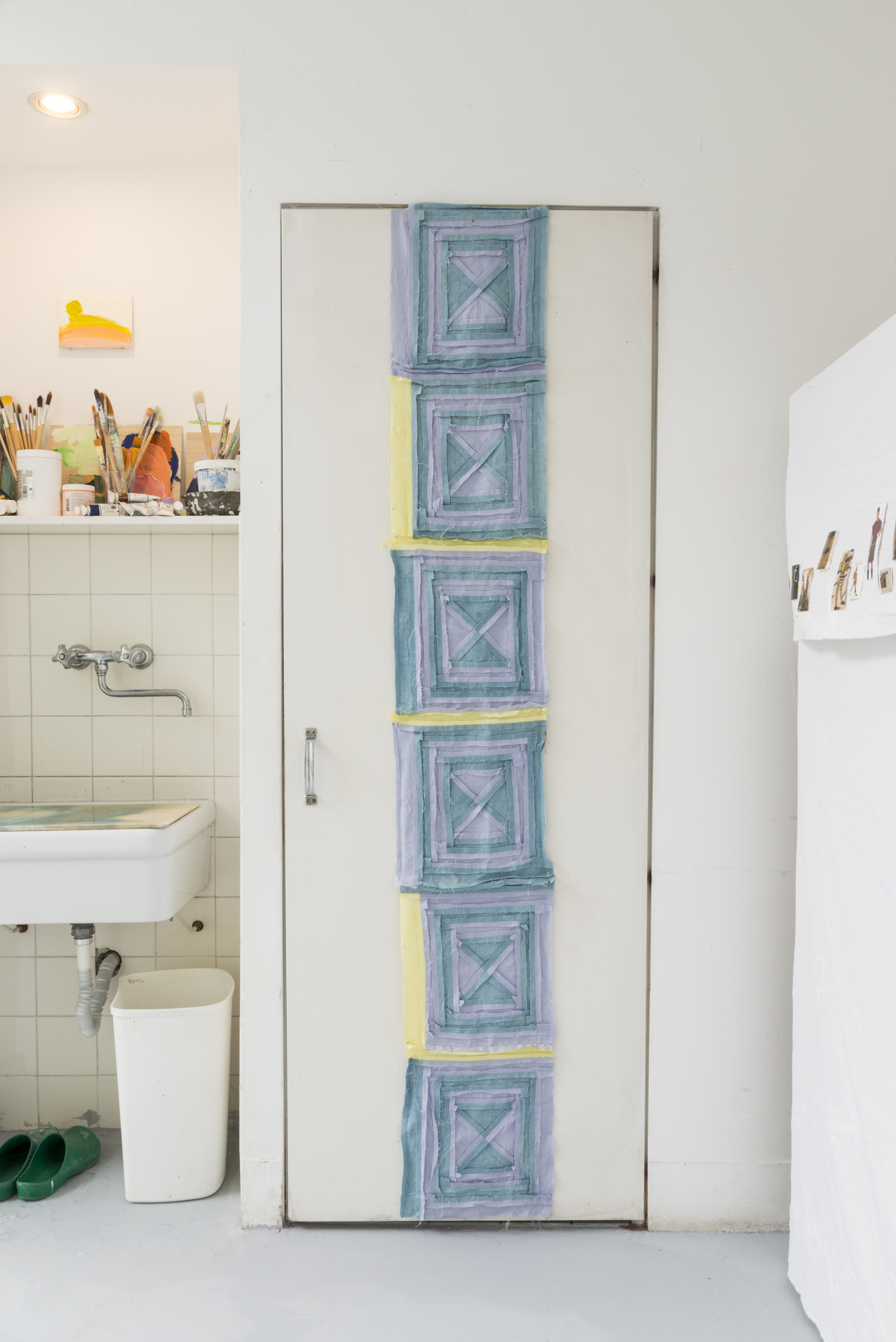
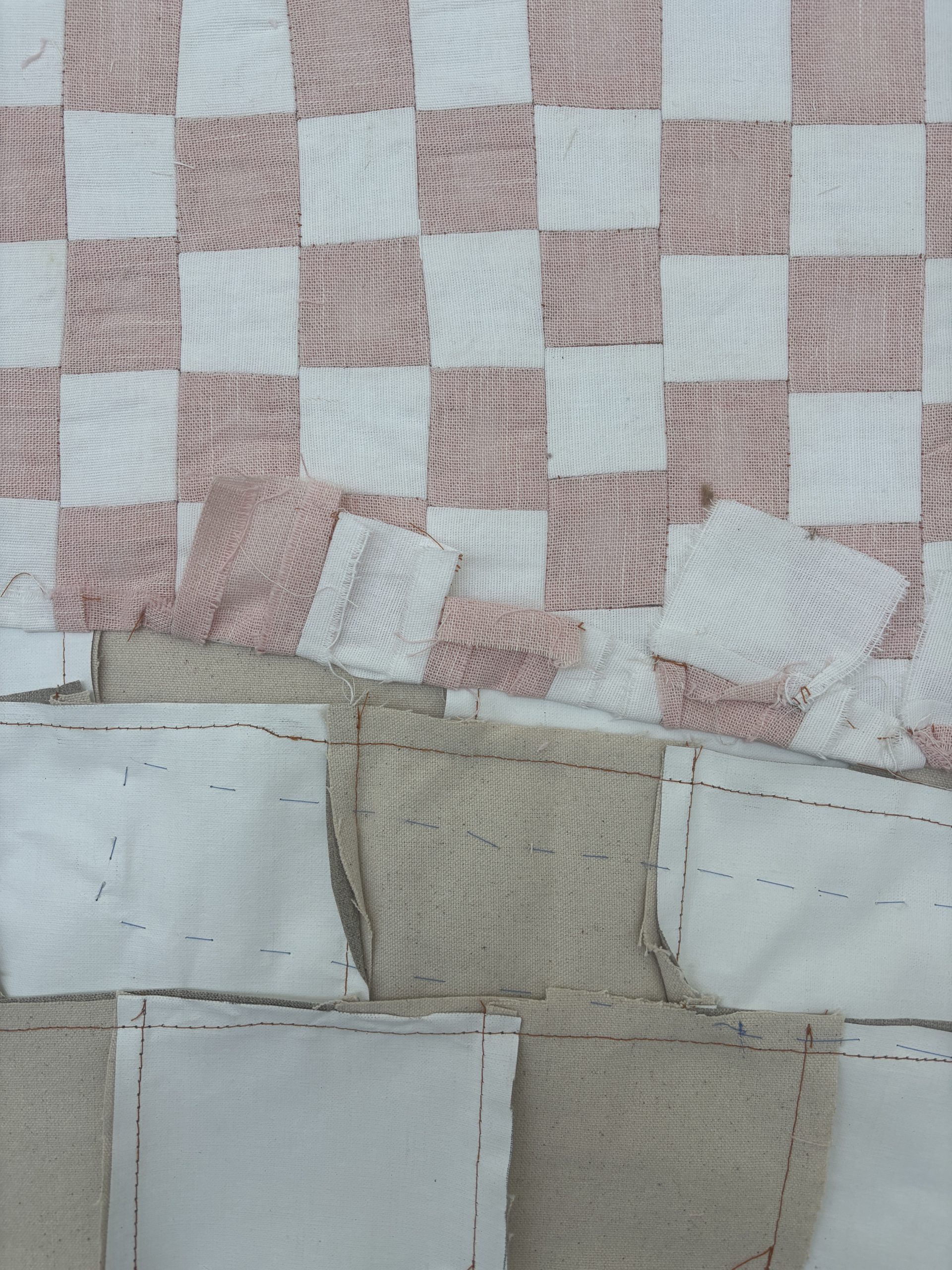
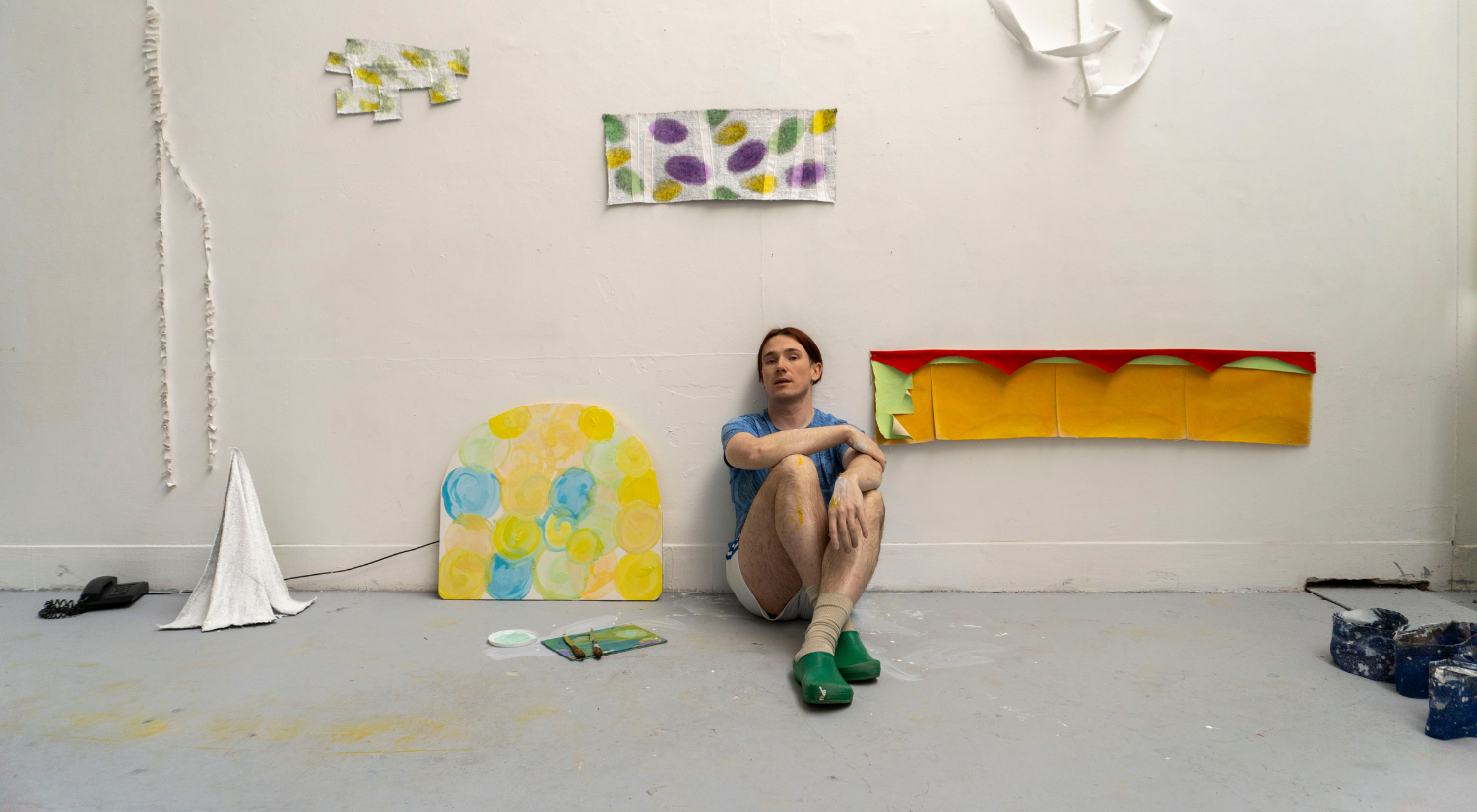
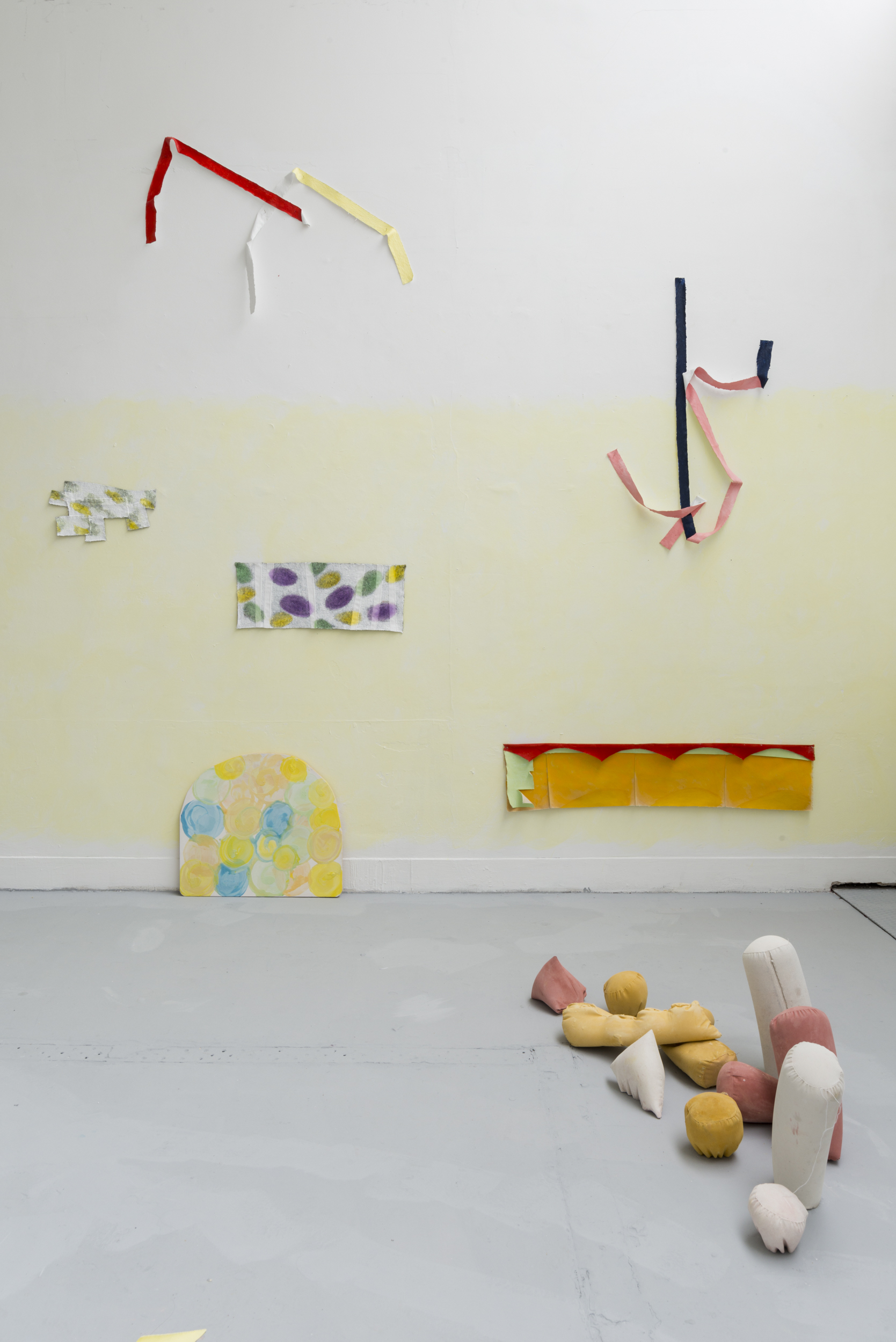
In my work, I think of what “queerness” can be, if we were permitted the same imagination. I think the same for class, giving permission to merge these world’s through material choices, or how an exhibition is hung, displayed. What conversations happen between works? What is suggested in the in-between? I play with the ideal of the visible and the invisible – exposing labour, stitch marks, the mixing of paint, using building materials in combination with oil paint, make-up in combination with pastel. I might spend a few days quilting found scraps of fabric, stitching directly on the canvas, or combining paintings and samples. I might stop a painting whilst it can still be either/or or neither/nor. Within this network of materials, are new possibilities for reimagining queerness, for multiplicity. I play too with the idea of the “tasteful” hang, paintings at eye level, formally square, “figurative” or “abstract”. Many of these terms are didactic, used to categorise work for a linear reading, or classify it for market, where purchases are often made after an artist’s death. Neither of these things are art-making. My understanding of art is that it is something in between, it can serve a purpose beyond immediate satisfaction or viewing pleasure.
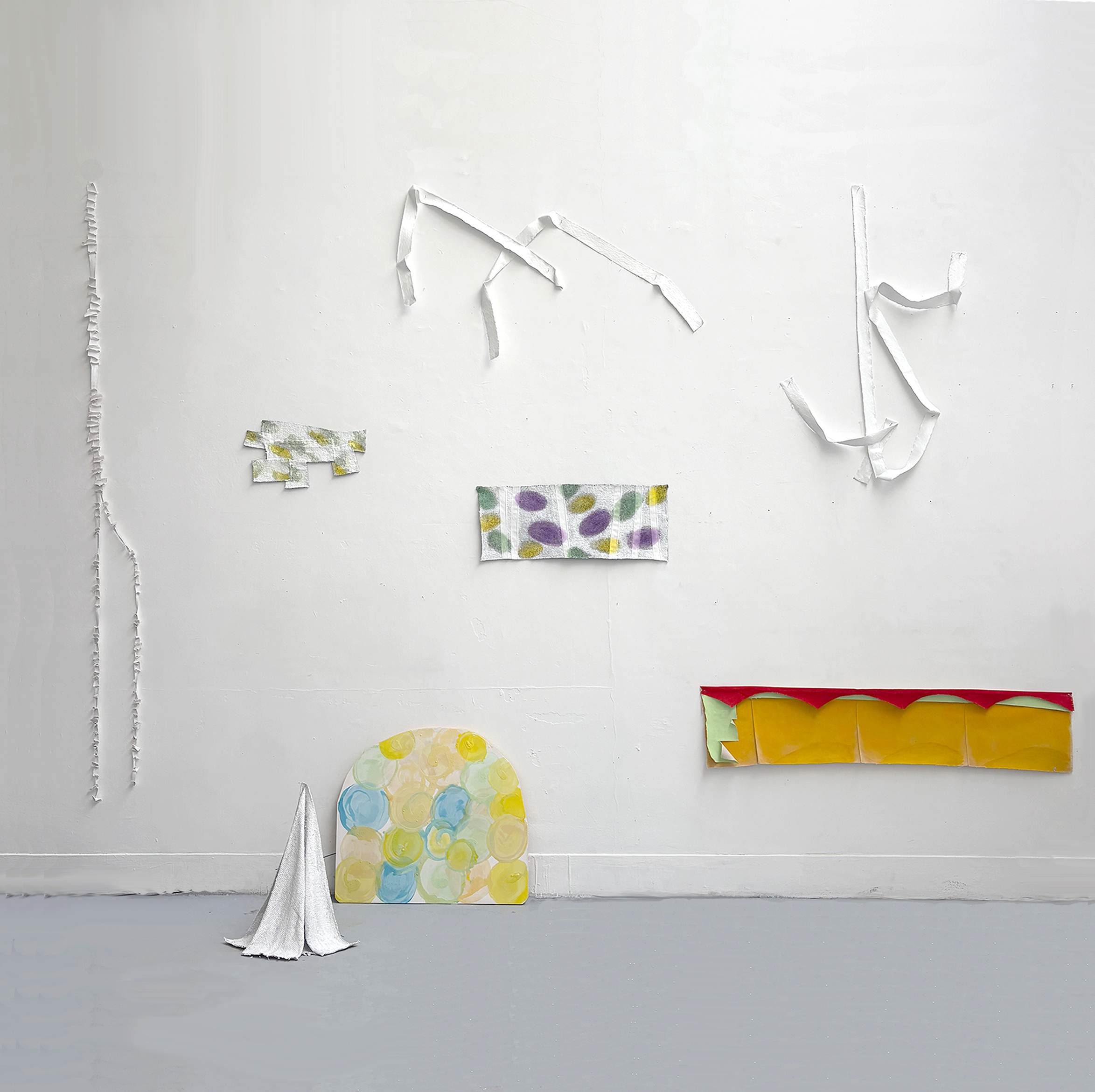
At the schools, I made things in response to place, reacting to the light, or creating a work in response to another, what it might need to lift it or react to it. It felt often like creating a score or a musical composition, suggestive and dominant notes, or lead characters and background characters – and together they somehow complete each other. Much like Rome with its layers of history, graffiti, posters, replaced and painted over to preserve something “older”, more valuable.
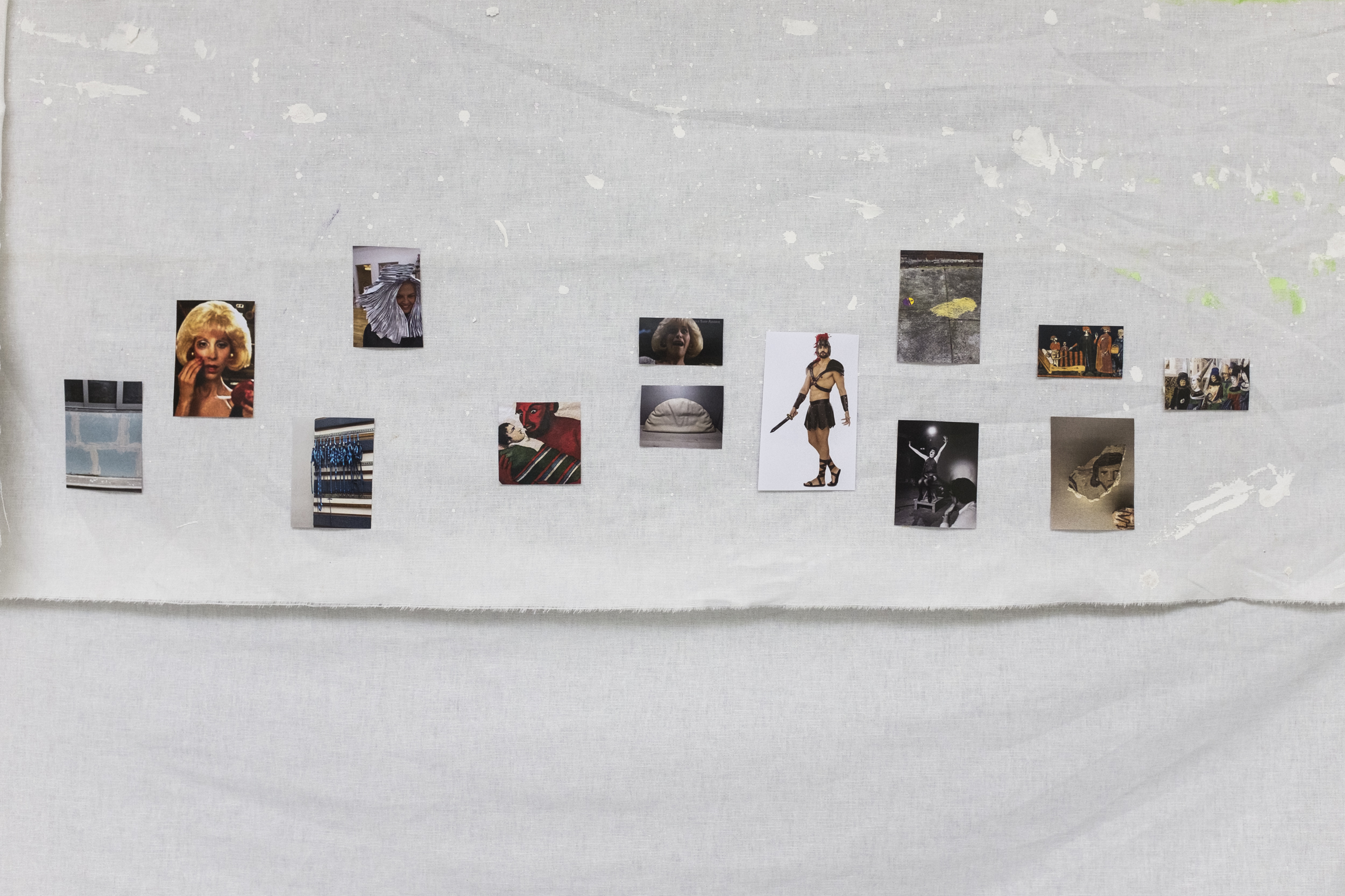
I’m pretty dedicated to a studio practice, and I can happily spend endless hours making. My days in Rome would consist of early runs all the way up or down the tiber, and mid week strolls amongst the city, as the weekend can be frightful for tourists. I came with a plan for researching – being very specific about research, but that quickly changes once you understand the energy here. Observing the maintenance and movement of the city fascinated me – the upkeep. Graffiti covered over, repainted, layers of surface that contain not just material, but political responses – people registering unrest, making themselves visible. There is a contrast and similarity between the streets, and the insides of these ancient buildings. You feel threads running from ancient times to now, in how we observe or value things – in the material language that surrounds us.
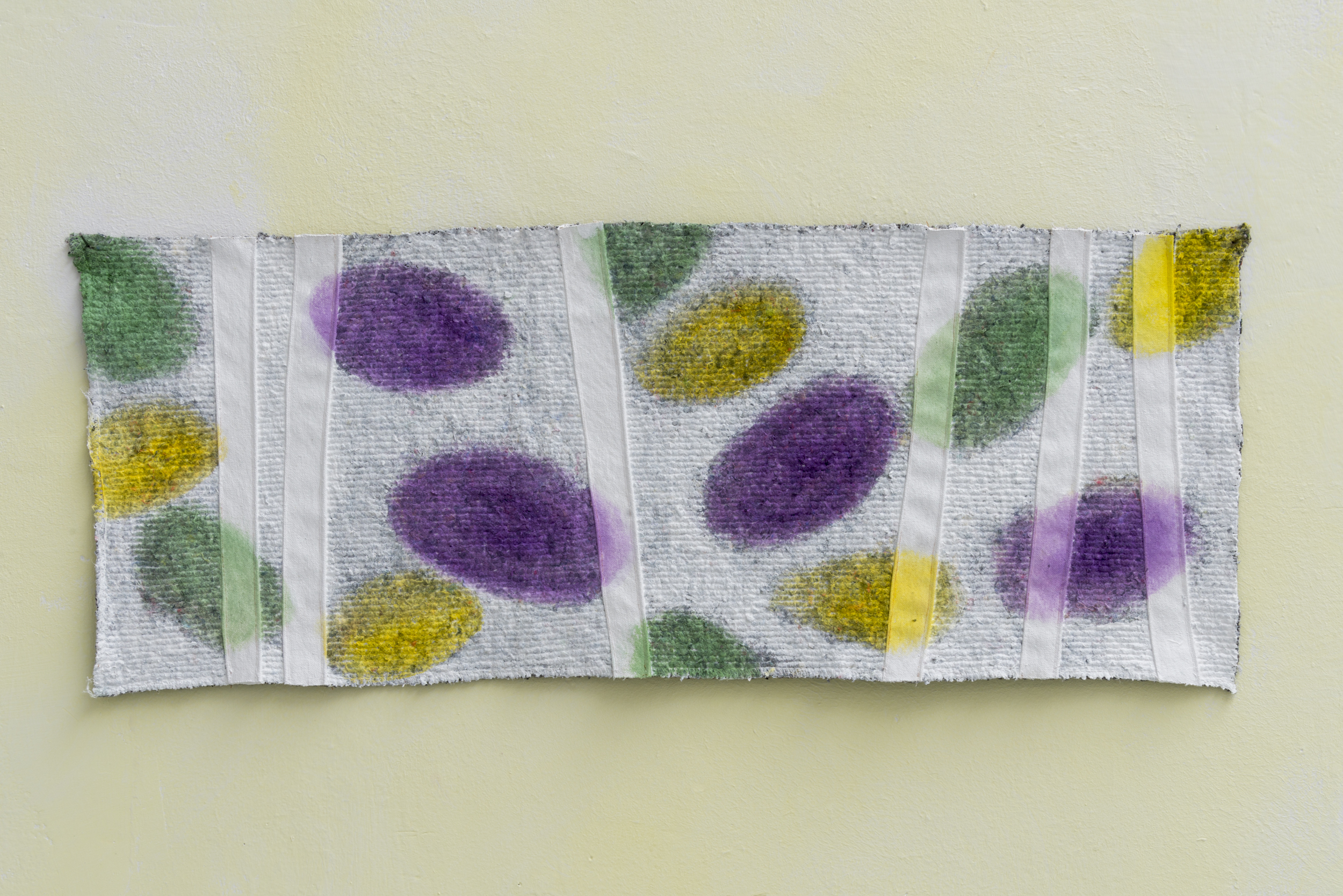
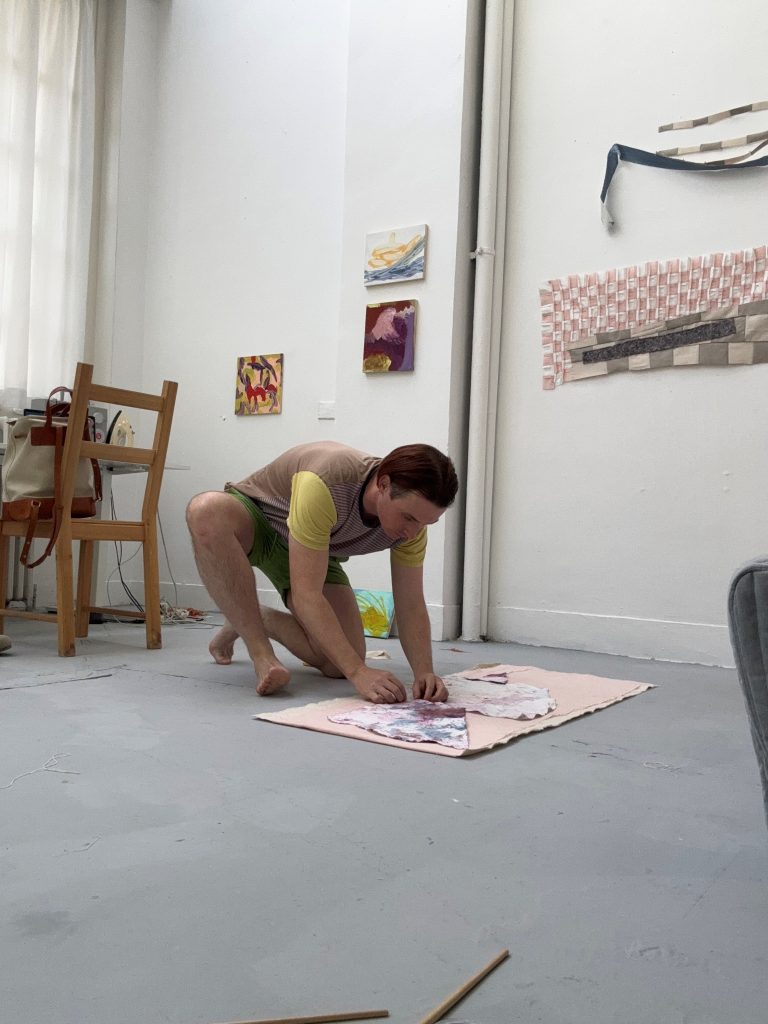
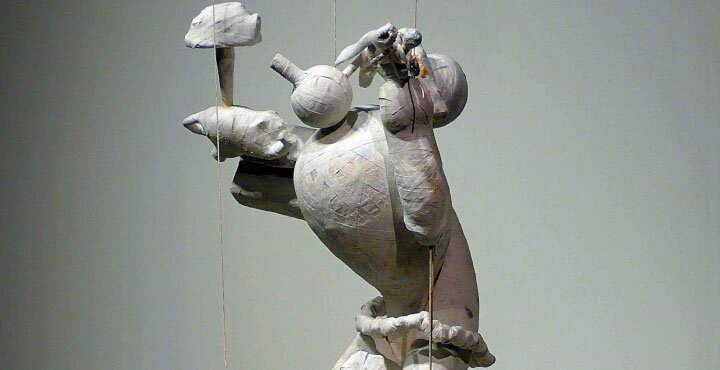
Painting is a fluid medium – in its material movability, but we sometimes forget the policing of painting, which is motivating in my work. Many masterpieces were created through patronage, scale, subject, form, surface, pigment was closely monitored, policed, to support exclusionary and binary ideals, a misnomer of freedom if ever there was one. I’m excited by he possibility, by a type of painting that is less concerned with style – what does it mean to be style-less but action driven, or labour driven. To create works in conversant – holding gestures or using paint as a casting medium – deliberately fragile, barely balance, suspended – enriching out of sight corner of rooms, shown on the floor or out of eye line. Not serving the traditional gaze, the confines of the square or the adequate proportions that govern taste and saleability. What purpose is stylised painting in a stylised world – what value does it have – is it a type of advertising, a mimetic proposition? These are all questions raised blatantly in Rome. I try to keep in my mind the excitement of discovery that art making gives an artist – balancing disparate things, landing on something new or arriving at a place that is sincere. Something beyond language but still carrying meaning, communicating.
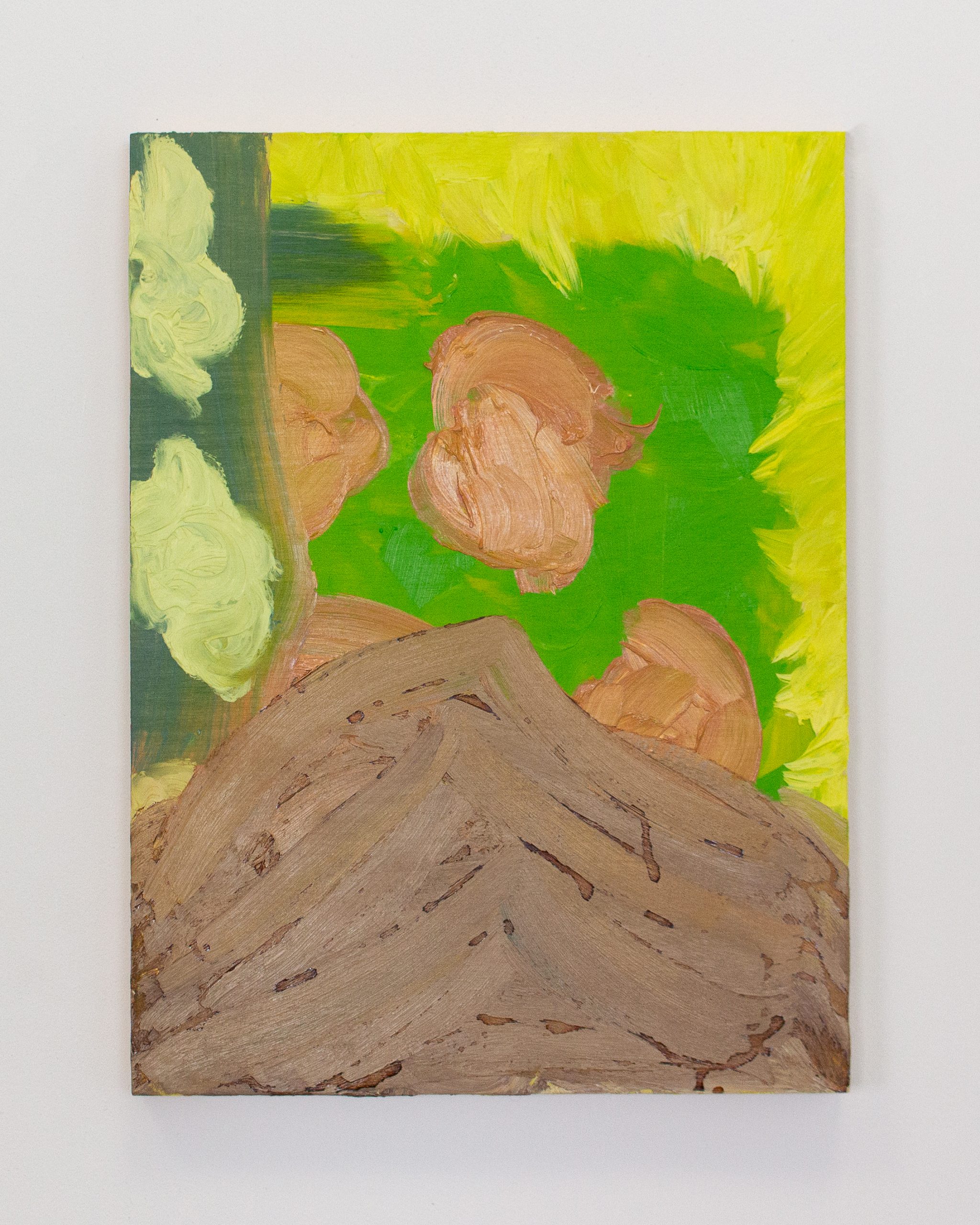
Communication was a major part of my time in Rome. I was particularly lucky with the group of artists I was in Rome with, and its a testament to the wider programme that all of our work is vastly different. What’s common is how singular we seem to be in our approach. It was a great privilege to spend time with Anna, Danny, David, Janette, Lisa-Marie and Susie, and our many researcher friends. Our conversations and dinners revealed so many overlaps with our practices, in terms of research, interests etc – but our outcomes feel so different. It makes me realise largely that personal biography can’t really be separated from work, our perception of the world is so informed by who we are and where we are from, our experiences. It fabricates the lens by which we transform research into work. The open studios were buzzing, and there were such rewarding conversations happening throughout, not only between people, but between works and their materials, forms, colour, labour. I’m extremely grateful for the cakes, pastas, Aperols and late night limoncellos shared, our conversations, complaints and considerations were a felt energy across the school during my time there. It verifies that art is not very much without people, its the human hand and thought and experience that give it a life and an energy. In my mind, this is true of labour too, in the weave, stitch marks, pierced canvases, heavily painted walls, repaired stone, preserved mosaics around the city, but it’s our understanding, our wider appreciation of labour, of skill, that could do with broadening and appreciation.