

By Dr Andrea Fredericksen (Head of UCL Art Collections)
What hidden stories can you find when you spend time with the institutional archives of a prize system — the kind held at places like the British School at Rome (BSR) and UCL’s Slade School of Fine Art? These are not the artworks themselves, but the paper trail left behind them: records of who applied, who was selected, and who was granted, or refused, renewal year on year. And what happens when you start reading two such archives together, rather than each on its own terms?
These are the questions behind a growing collaboration between the BSR and UCL Art Museum — one that started, as these things often do, with a research visit, a stack of minute books, and a nagging sense that there was more going on in the margins than the official record let on.
The official, indispensable record
In a previous blog, BSR Archivist Alessandra Giovenco wrote about how corporate records — minutes, registers, bylaws — can tell us a great deal about an institution’s historical trajectory: the rules and rituals of an institution taking shape, motion by motion, quorum by quorum.
What got me interested was the other question: what happens when you go looking not for the winners, but for everyone else — the candidates who got close but didn’t make the cut, the artists mentioned once, in passing, and never followed up? Hidden histories, sitting quietly inside documents that were only ever meant to record, factually, for the record — not to tell anyone’s story.
Two archives, two halves of a story
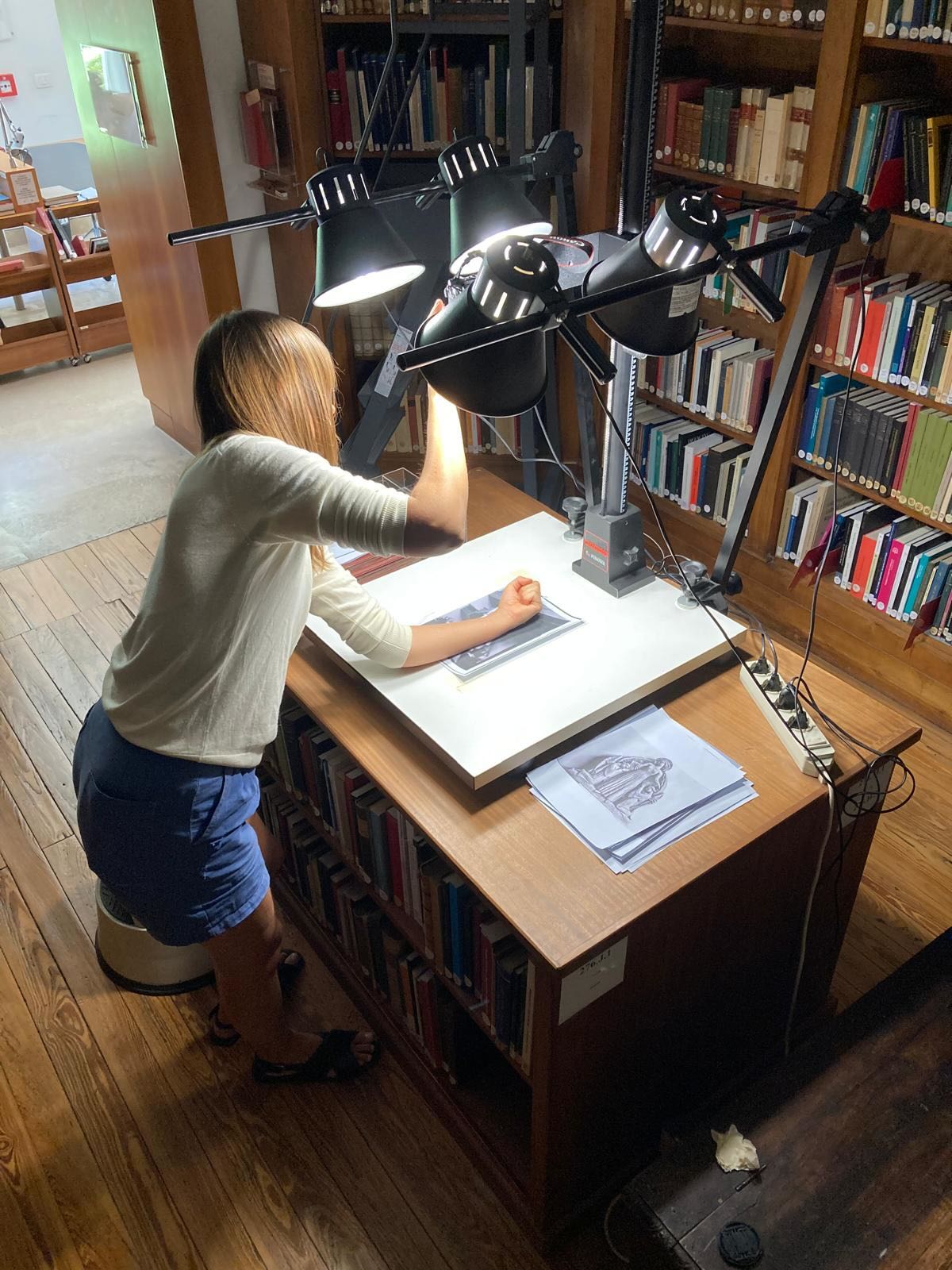
As Head of UCL Art Collections, I’m keeper of the Slade Collections — a collection of prize-winning student artworks dating back to the 1870s, still added to today. It’s a rich resource on its own. But it’s also, it turns out, only part of the story.
When the BSR launched the Rome Scholarships, Slade graduates jumped at the chance to study in Rome and immerse themselves in Italian art, language and culture. Colin Unwin Gill, trained at the Slade under Henry Tonks, was the first recipient of the Rome Scholarship in Painting in 1913. Winifred Knights followed a similar path a few years later — the first woman to win the prize — arriving in Rome having already swept the Slade’s own prizes in 1919/20. Her path from student prize-winner in London to The Deluge (now at Tate Britain), the large-scale composition she produced as part of her Rome scholarship, is a story historians have been able to tell in such rich detail precisely because both institutions kept such thorough records of their prize systems.
That’s the synergy: UCL holds the prize-winning works themselves, backed by supporting documentation in the UCL Special Collections and the Slade’s own archive; the BSR holds the other side of the story, the day-to-day administrative record of who came, who applied, who was considered. Read separately, each archive tells you about one institution. Read together, they start to trace a life — and, more interestingly, they start to reveal all the lives that don’t get a tidy narrative arc.
Bringing artists into the archive
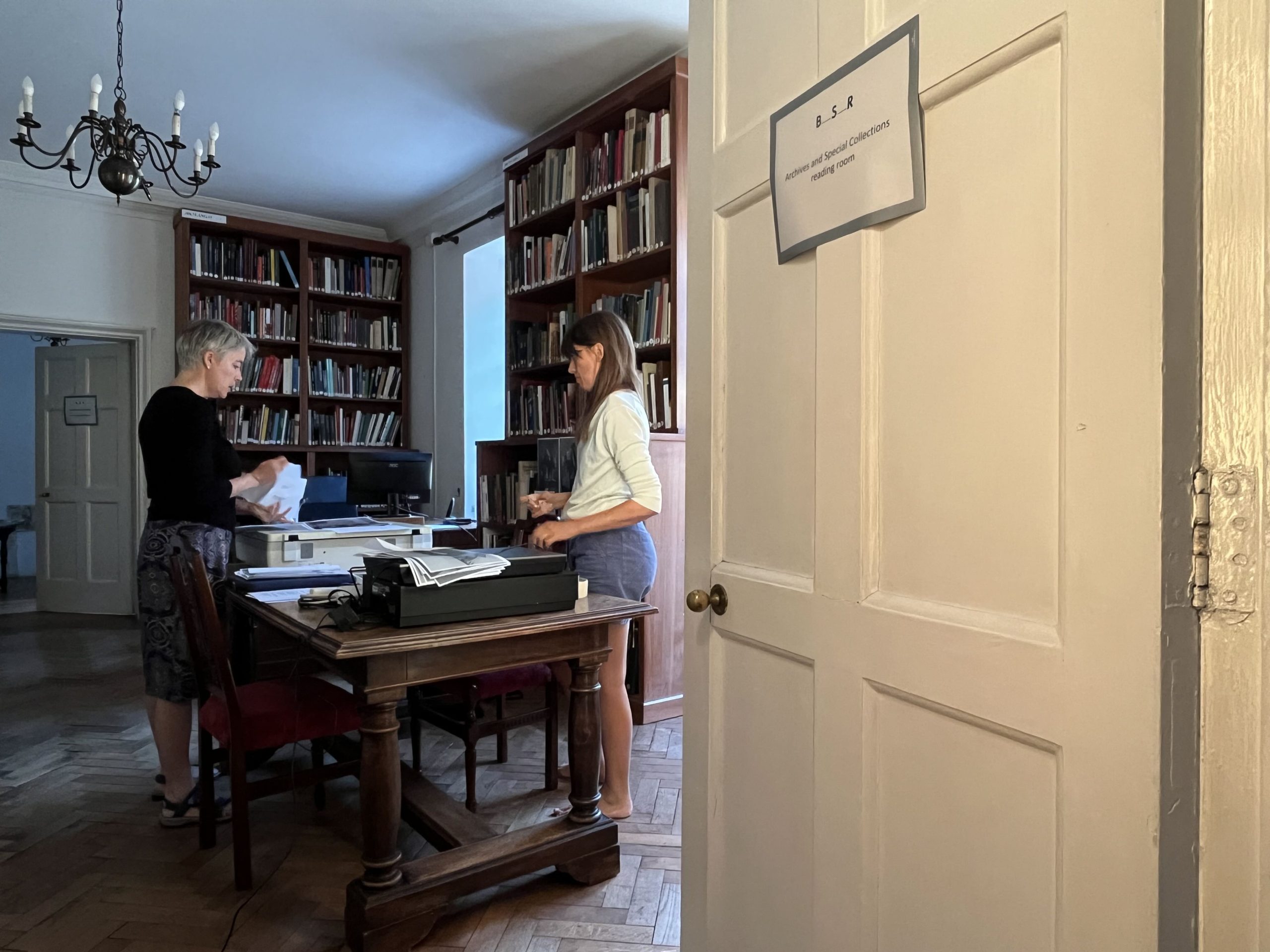
This is where it stopped being purely an archival project for me. During a research visit to the BSR, I had the chance to work with artist Dr Eloise Fornieles (BSR British Academy Post-Doctoral Fellow), who offered something a historian alone couldn’t: a practising artist’s eye on what these archives might yield beyond the factual record. Together we began identifying case studies that could open alternative approaches to archives — the presence of disability and mental health, queer resistance, and the traces of marginalised voices sitting quietly in files that were never designed to hold them.
In 2024, that exchange fed directly into Embodied Narratives: Illuminating Mental Health and Disability in an Art School Archive, a research project led by Dr Liz Bruchet, supported by UCL’s Research Institute for Collections ‘Liberating the Collections’ programme. Liz’s project explores how we might develop ethical, creative and trauma-informed approaches that deepen and complicate representations of lived experience. Keen to foreground artists’ perspectives from the outset, the project brought in Eloise, who worked with Holly Davey, a Slade PhD artist embedded in the Slade Collections (AHRC-LAHP funded), to develop an embodied response. In a short space of time, they drew together common threads around the body, voice and absence, and turned them into a new performed work.
Bringing it home to Rome
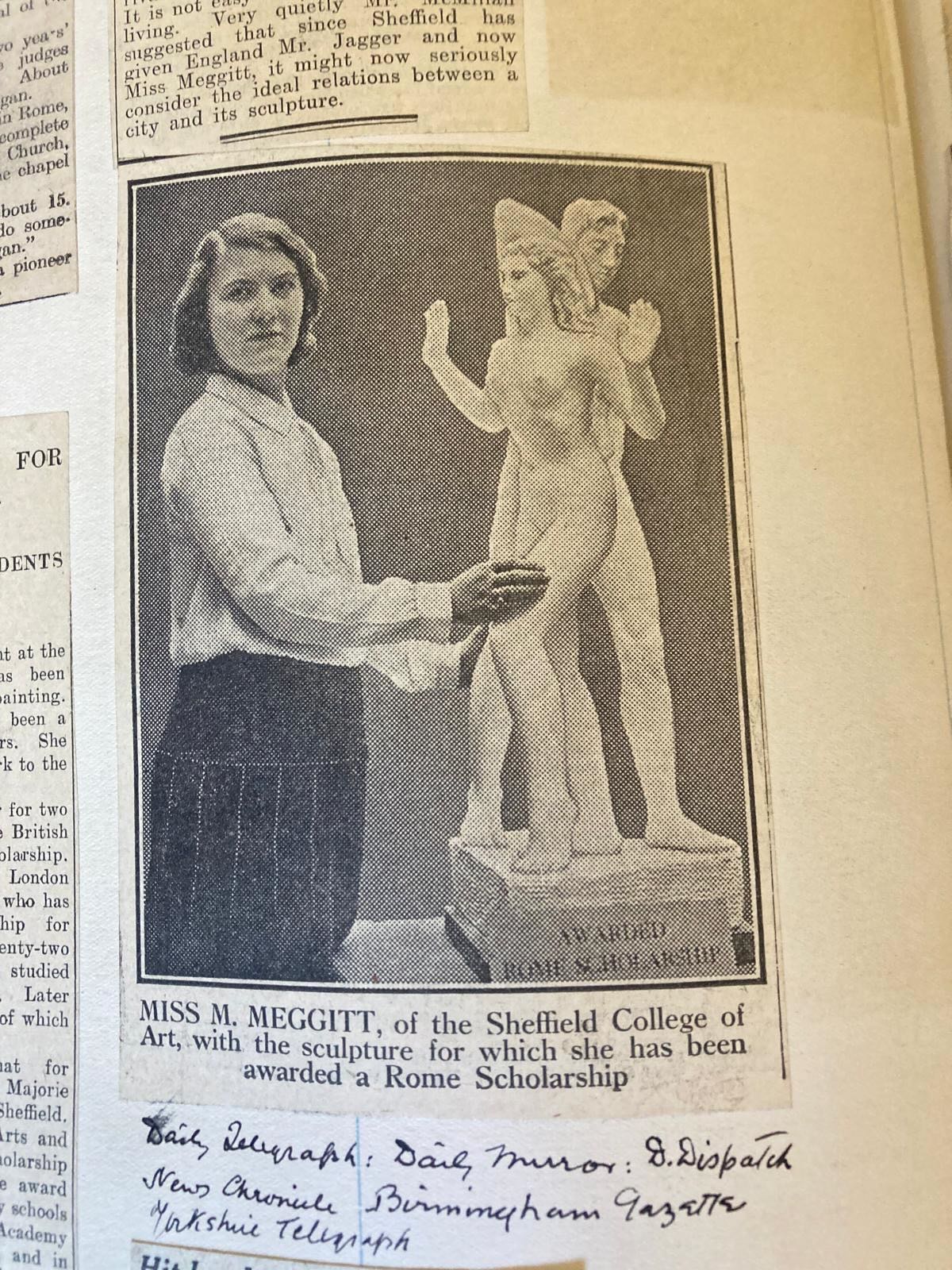
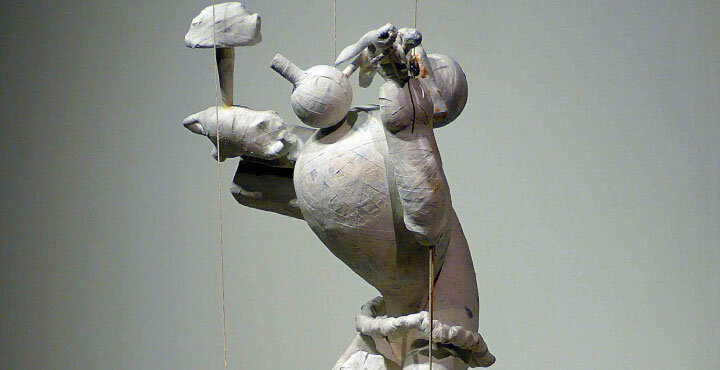
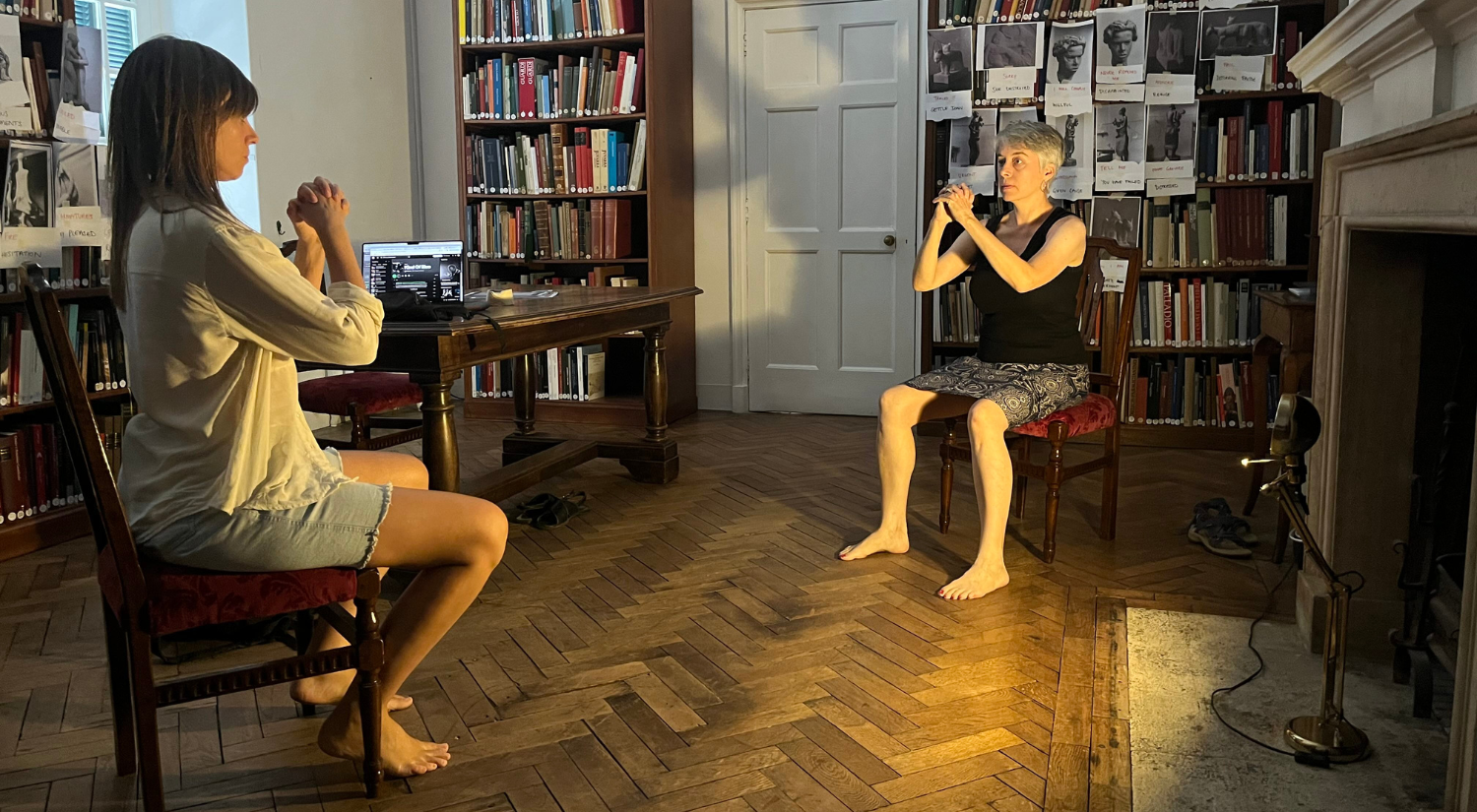
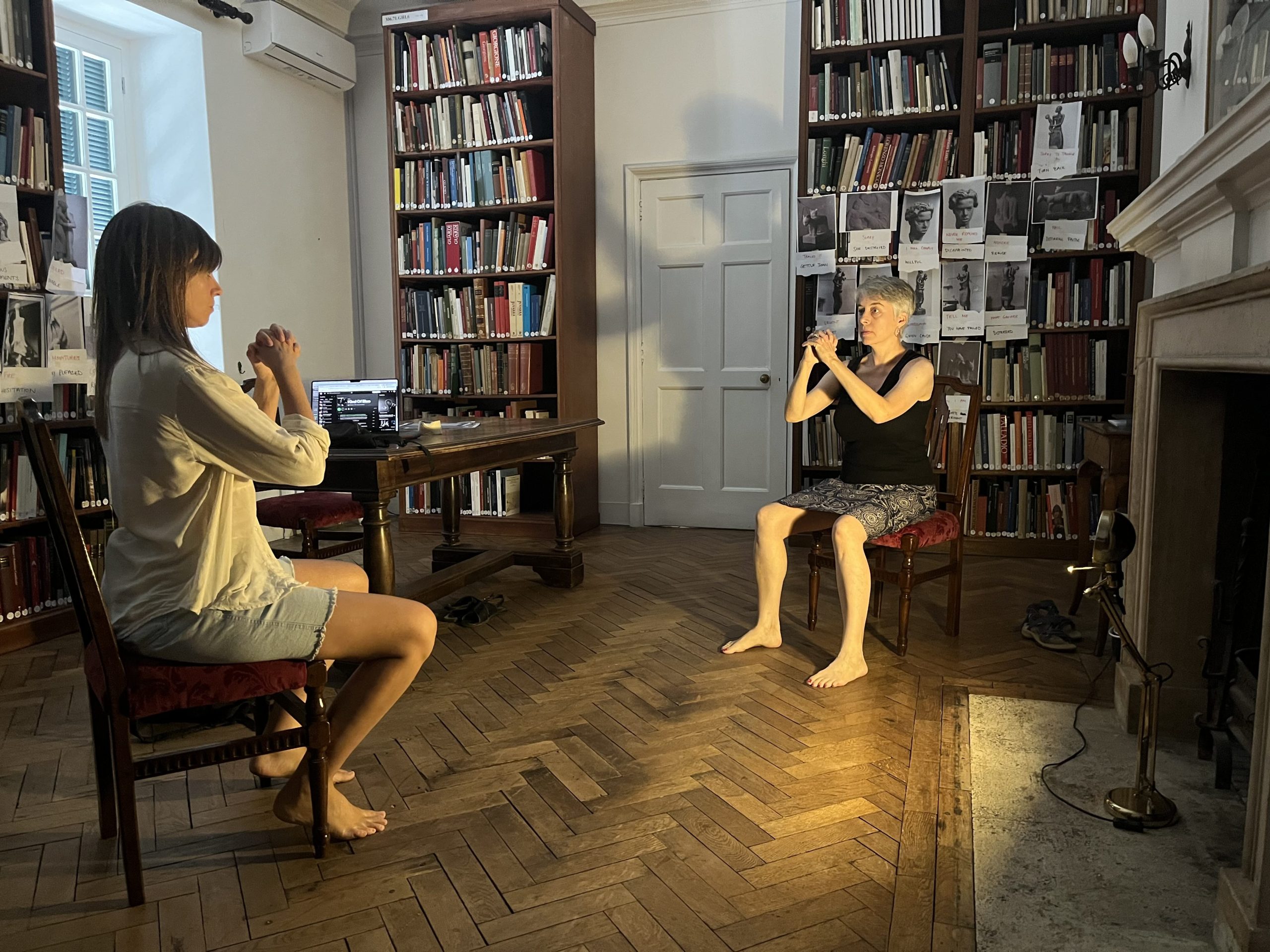
Now that connection is coming back to where it started. Eloise and Holly are developing a new performance piece, Embodying the Archive: hands in touch with her life’s work, that traces, develops and performs the presence of women artists once part of the BSR’s story and since marginalised within, or forgotten by, its archives. It centres on the BSR’s Sculpture Prize, bringing forward the stories of its first-time women winners, Marjorie Meggitt (1932) and Frances Bruce (1933).
It’s a project with a particular archival challenge at its heart: the sculpture collection itself no longer physically exists. What survives are the records of the prize system — who won, who applied, who was considered — without the objects themselves to anchor the story. That absence is exactly what makes the research so rich: a whole new avenue of work, not yet complete, into what can still be recovered and reimagined about these forgotten women sculptors when the archive is all that remains.
The project culminates in a series of public performances during the BSR’s 125th anniversary celebrations in November 2026 — a fitting moment to showcase not just the depth of archival material the BSR holds, but its future potential for genuinely interdisciplinary research, in conversation with the related Slade Collections, Archives and Records at UCL.
Why this matters beyond one project
Prize systems shape institutions — who gets remembered, who gets written into the story of an art school or research institute, and who quietly doesn’t. Opening these archives to new questions, and to artists as much as historians, is a way of holding that system up to scrutiny, and asking what a more diverse, more inclusive version of it might look like going forward.
Ultimately, this BSR-UCL exchange is about building a lasting presence for artists nearly written out of the record entirely — and making sure the next person who goes looking through these archives finds a fuller, stranger, more interesting story than the Minutes alone would ever tell.