

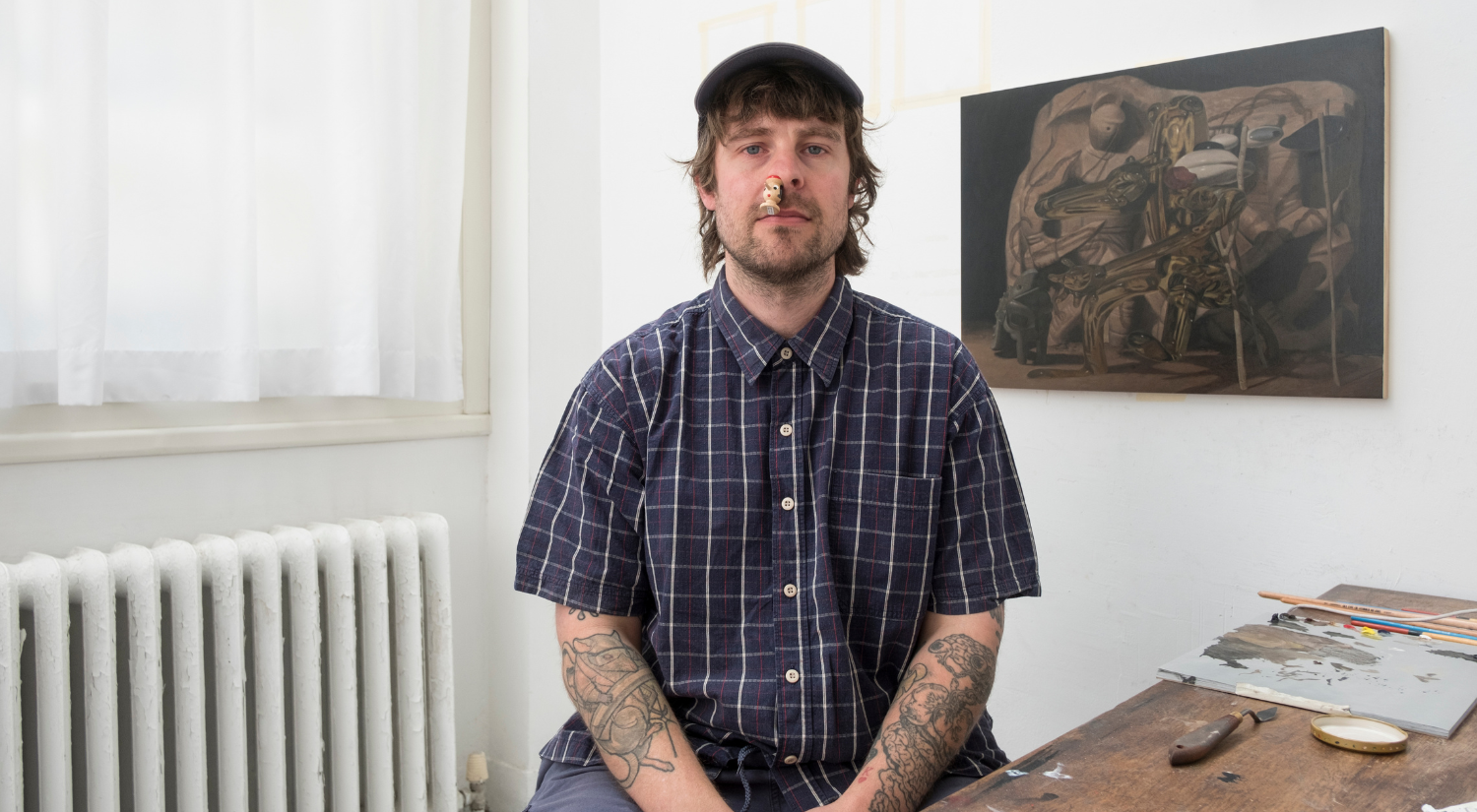
In this blog, Josh Juett, Helpmann Academy Resident (April–June 2026), presents “The Symbolic Object and the Formation of Self,” a project developed during his residency.
Over the past three months, I have been living in Rome as part of the British School at Rome residency, generously supported by Helpmann Academy. It’s difficult to adequately explain the impact this experience has had on me because, truthfully, it has been far more significant than I anticipated.
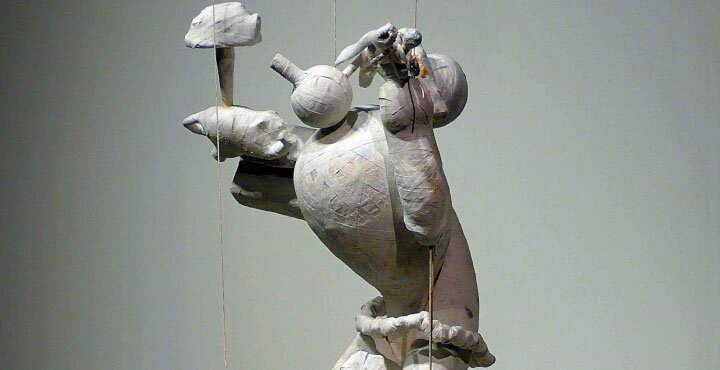
I am a visual artist from South Australia, working in the visual language of Dutch Golden Age still-life painting. My work is dark, melancholic and, if I’m being honest with myself, occasionally a little sooky. I use symbolism, metaphor and association to explore difficult-to-explain emotions, often disguising my deepest insecurities behind poop humour and cartoon imagery. Ostensibly, it’s my way of having my cake and eating it too.
Much of my practice begins with collecting. I frequent op shops, antique stores and markets searching for objects that might act as the seed of a new work. The weirder, more broken, scratched or dented an object is, the better. Every imperfection feels like evidence of a life already lived.
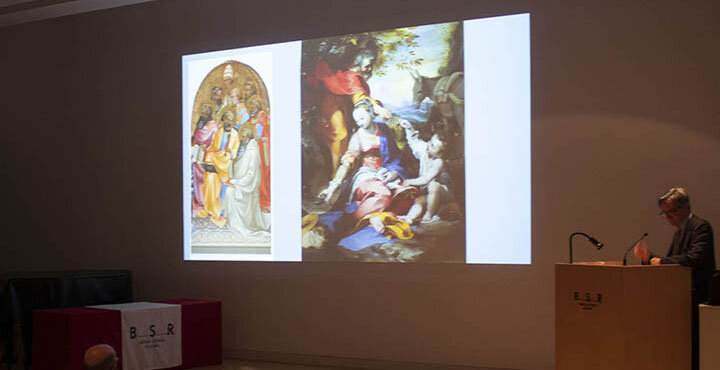
Coming to Rome meant finally seeing many of these works in person. Surprisingly, I left feeling both over- and underwhelmed. Not because the famous works were disappointing; they were extraordinary. But so were the works hanging right beside them by artists I’d never heard of. It made me question the role familiarity plays in our relationship with images and the cumulative effect repeated exposure has on our perception of importance.
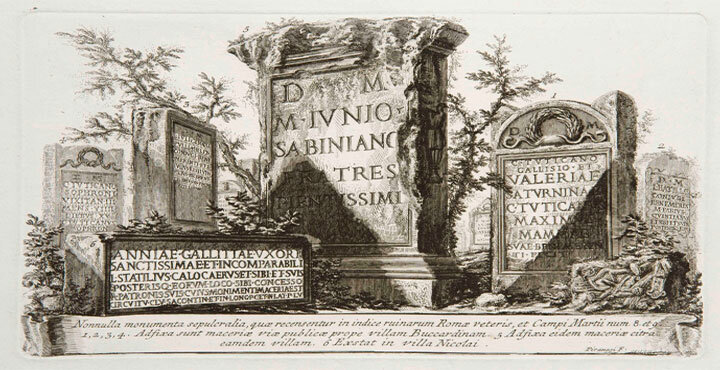
Rome itself became a constant source of inspiration. Collecting visual references here is as easy as finding food in a supermarket. Every slight turn of your head offers a meaningful glimpse into another period of history. An ordinary Roman street might contain fragments of multiple centuries simultaneously. Train stations, retail stores and even McDonald’s participate in preserving and celebrating the past. Rome wears its history on its sleeve.
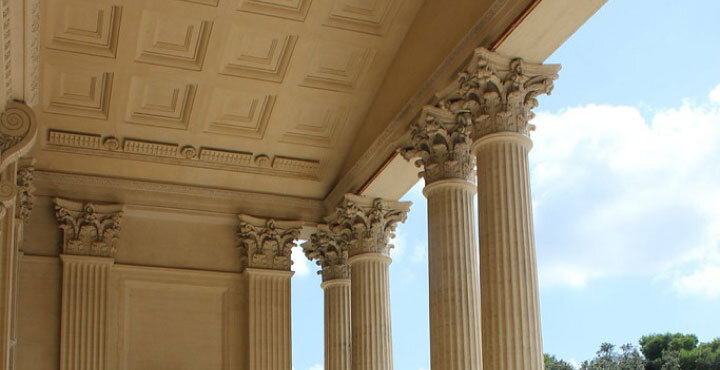
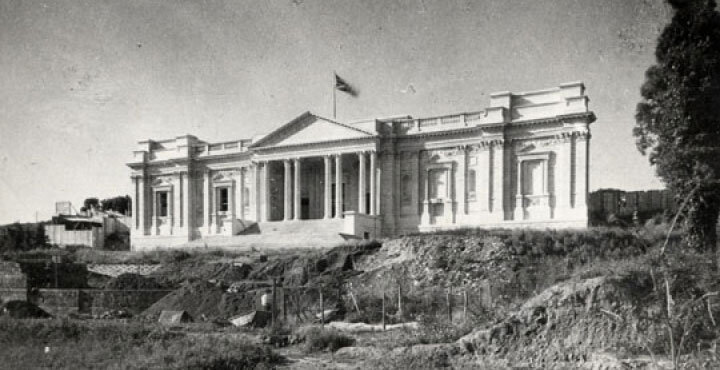
When I first arrived at the British School at Rome, my immediate reaction was, “Holy crap”. The giant columns set a tone that is equal parts intimidating and impressive. The first month, in particular, had me feeling entirely out of my depth. Artists and academics spoke about their projects with such specificity and authority that I genuinely felt like the dumbest person in every room.
Within the first week, I decided I wanted to make the most of my time here because three months is simultaneously a very long time and no time at all. So far, I have visited more than 50 museums, galleries, churches and cultural sites, maintained weekly streaks of walking over 20,000 steps a day and ridden more than 50 Lime bikes. I’ve also discovered there is, in fact, an upper limit to how much pasta and pizza a person can consume and that the phrase “When in Rome” is neither funny nor clever.
My original goal was admittedly ambitious and, if I’m being honest, a little ignorant. I wanted to understand Roman identity through its visual culture. What I came to realise was that I wasn’t searching for a definitive understanding at all. Identity is too slippery for that, particularly when you bring your own cultural biases into the equation.
Instead, what I found was something aesthetic. Three months immersed in Rome slowly allowed its visual culture to seep into my thinking. It went beyond frescoes, marble and ancient monuments. What interested me most was the ongoing conversation between old and new; the way history and contemporary life continuously inform one another.
In many ways, that idea mirrors my own practice. Identity itself is an ongoing conversation between who we were and who we are becoming.
More than anything else, this residency has taught me that the value of experiences like this lies in their ability to test you. You learn a lot about yourself when you’re challenged. The museums, churches and galleries have been extraordinary, but what I’ll carry home with me goes far beyond tourism.