

Dr Jessica Clarke, Shortland-Jones Rome Awardee at the British School at Rome from April to June 2026, shares insights into the development of her research project, “Decentralising Rome: Italian Theatre Buildings in the First and Second Centuries BCE”
Rethinking Roman Italy through its theatres
What can theatres tell us about power, identity, and cultural change in ancient Italy? This is the central question behind my current research at the British School at Rome.
My project focuses on a set of 41 theatres which were built in Italy between the late third and early first centuries BCE, each exhibiting distinctive design features in comparison to previous Greek theatres, and each predating the first permanent theatres built in the city of Rome.
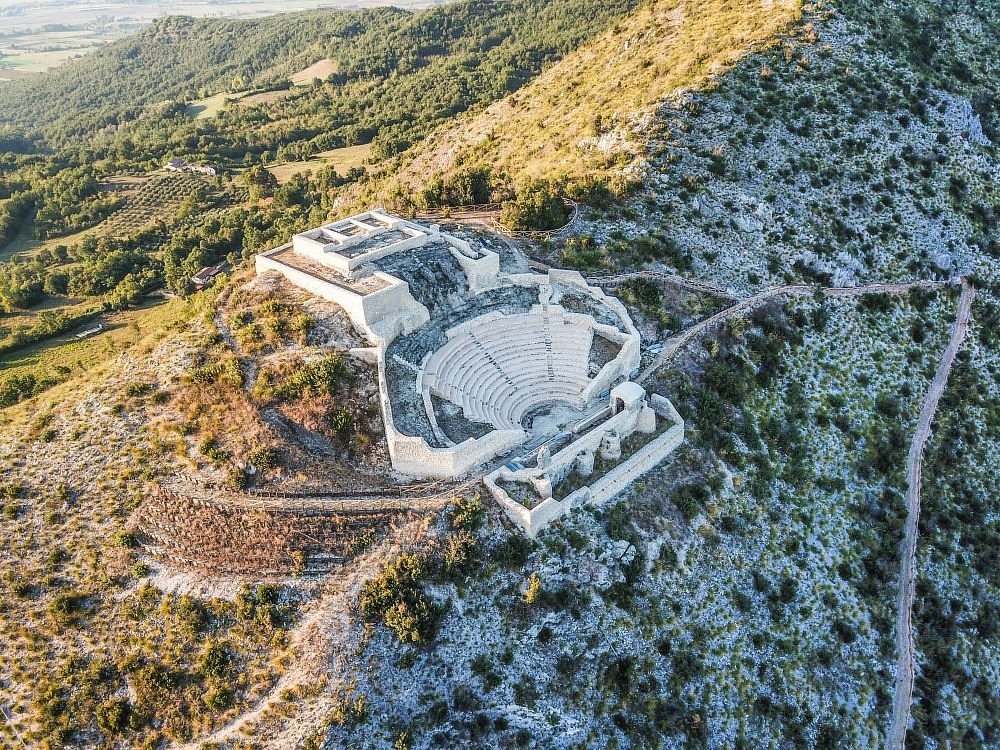
The construction of these theatres required the large-scale mobilisation of labour, materials, and capital, making these buildings key evidence for economic investment, resource distribution, and local social hierarchies. At the same time, these buildings lie at the heart of civic life, serving as venues for political assembly, religious performance, and the articulation of communal identity.
Rather than treating them as isolated monuments, I am interested in what these structures reveal about the wider social and political world of Republican Italy.
To date, scholarship has often interpreted these buildings through a narrow Romanisation framework, assuming that Roman culture spread outward from the capital to passive local communities. In this model, public performance and theatre in Republican Italy are usually understood as distinctly Roman cultural practices.
However, recent work on Republican Italy has increasingly begun to challenge such centre-driven models, emphasising the diversity and complexity of cultural change across Italy during the Republican period. In Making the Middle Republic, for instance, the editors remark that we need to ensure studies of this period are ‘more robustly egalitarian’ and ‘attentive to the identities and practices of nonelites or non-Romans’ (2023, 16).
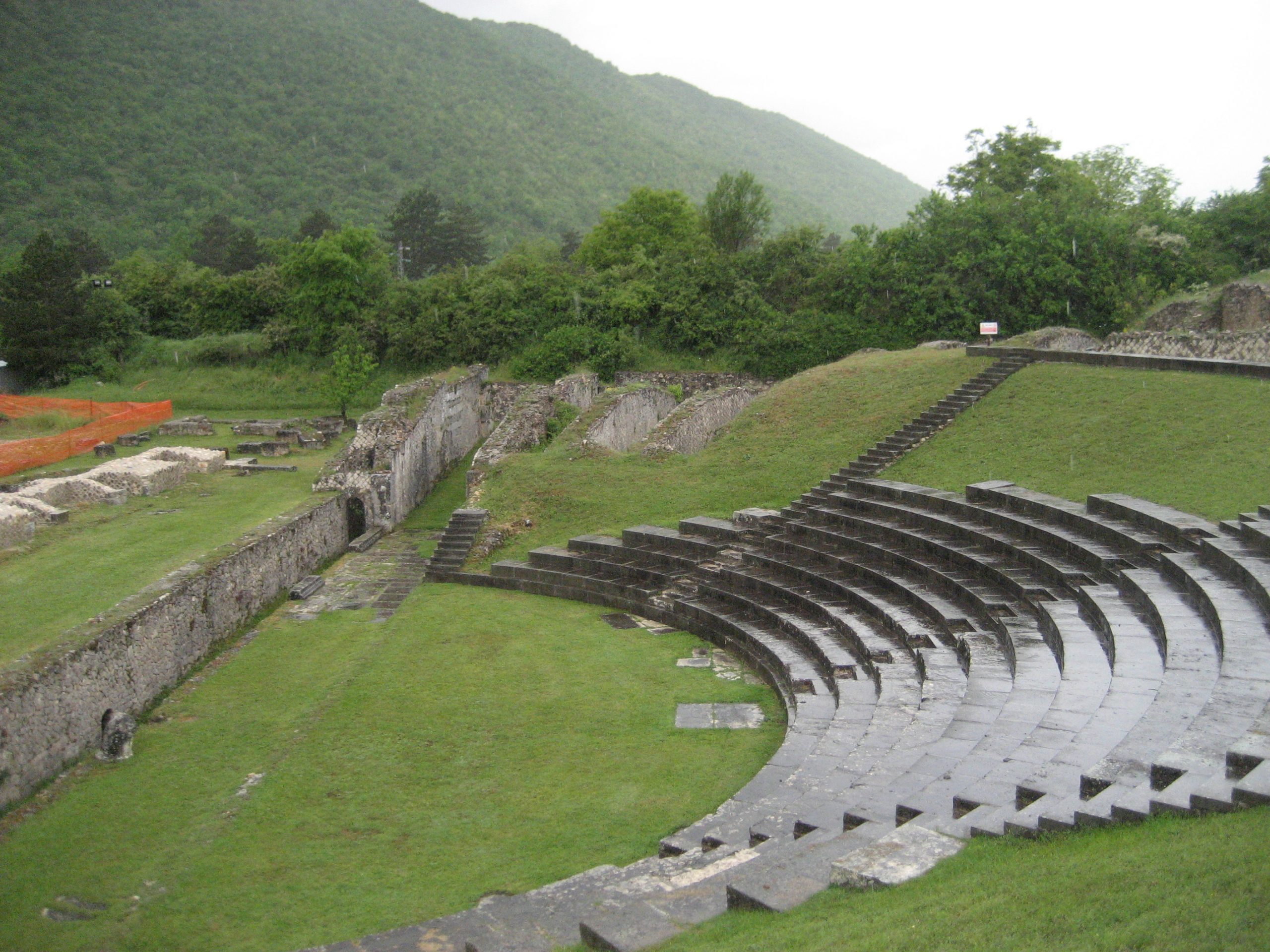
My project aims to contribute to this reassessment of Republican Italy by examining how different communities adapted theatrical architecture and performance traditions to their own local needs and circumstances. These buildings, I argue, can reveal important forms of interaction between local traditions, regional politics, and emerging Roman power.
A major part of my work at the British School at Rome involves bringing together archaeological, architectural, and historical evidence into a single dataset. This requires spending time in archives, working through excavation reports, and tracing the histories of sites across Italy. Many of these records are difficult to access or published in older formats that are not easily searchable, so a key part of the project is making the evidence more usable for future research.
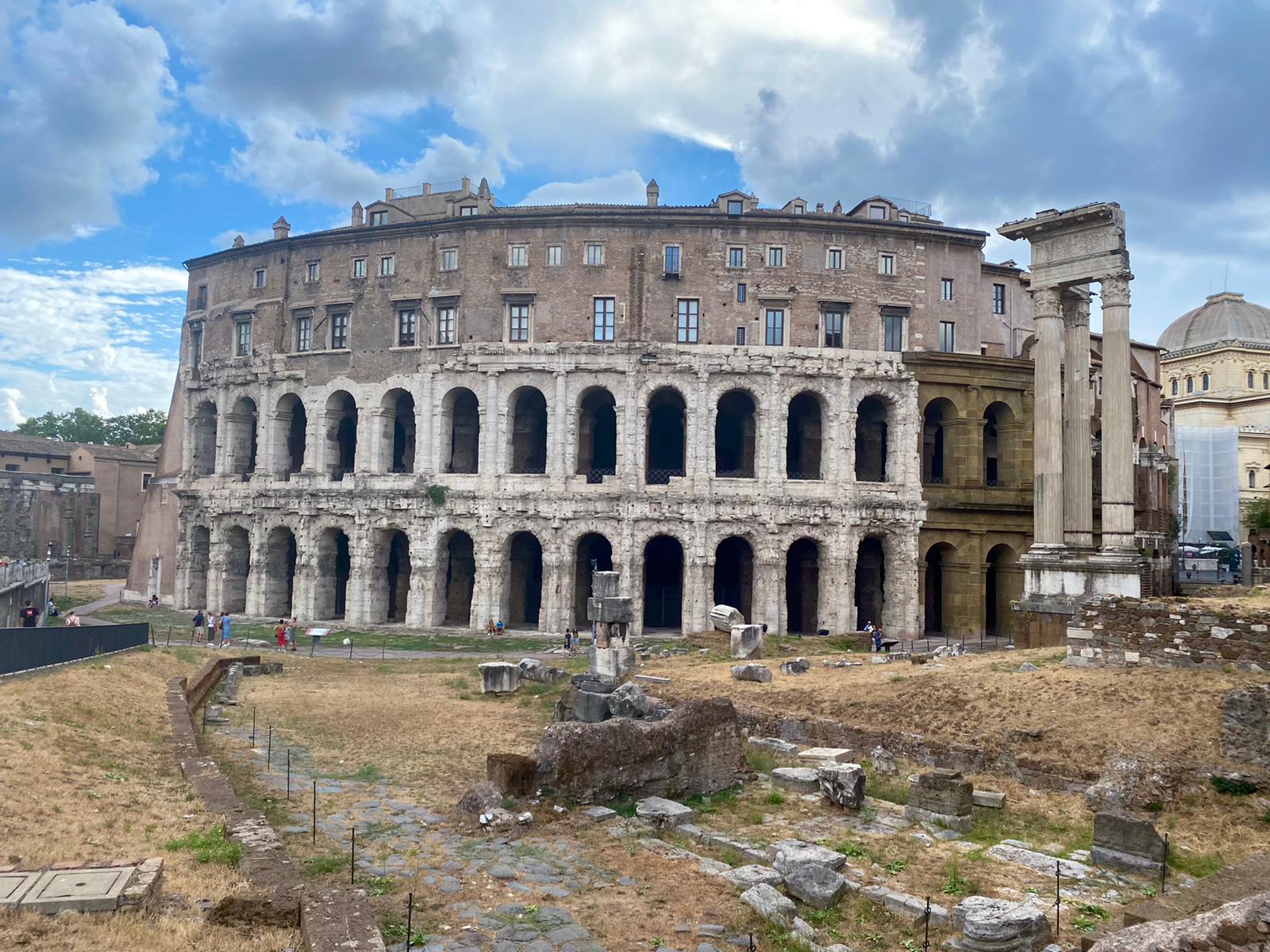
Rome is the ideal place to do this research, not only providing access to the city’s extensive archives but also allowing me to visit key archaeological sites in person. This is particularly important as seeing the sites firsthand often raises new questions, such as how audiences moved through these buildings, how theatres related to sanctuaries or public spaces nearby, and how local communities may have experienced performances within them.
Ultimately, the project asks us to reconsider who shaped ancient Italy’s cultural world. Rather than viewing Rome as the only active force in Republican history, the evidence from these theatres suggests a much more dynamic picture: one created through exchange, adaptation, and collaboration among many different communities.