

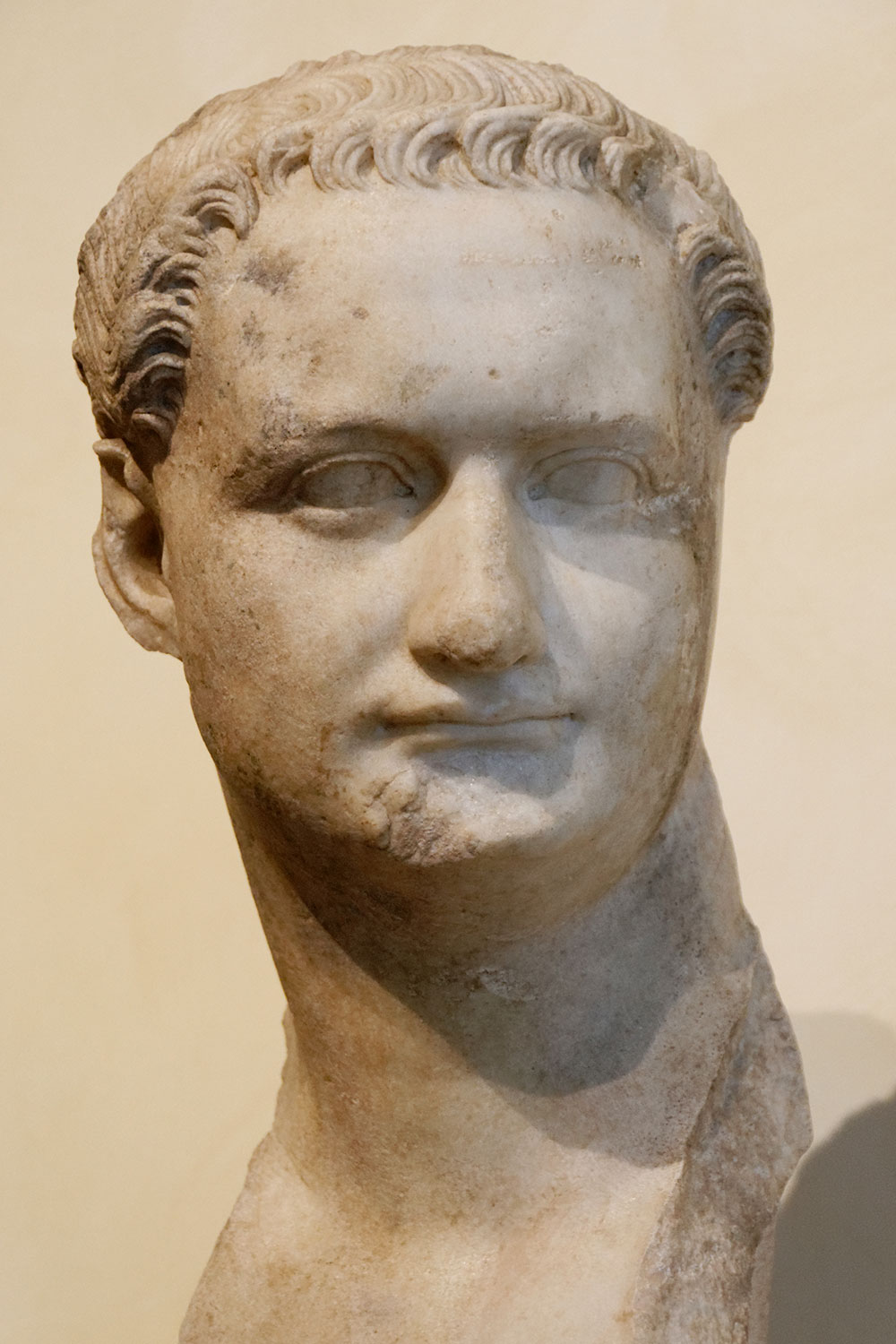
Flavian efforts to rebuild Rome are a major subject of the era’s imperial panegyric, particularly under Domitian. A number of Martial’s epigrams contrast the present state of the city with its recent past in order to praise the current leader (and, implicitly or explicitly, to criticize a past one). As this poetic strategy develops over some two decades, it offers “snapshots” a succession of emperors as well as of the urban collapses and renewals over which they presided. Although each of these texts individually paints a picture of restoration and progress, taken together they suggest that this vision is erased as quickly as it appears. Ultimately, after Domitian’s death Martial employs this format to offer a pointed commentary on his own poetic record. Taken together, this sequence of poems traces the constant tension between the author’s literary “stamp” on the city and the monumental legacy of the Flavians; at a metapoetic level, this discourse informs the interplay between ephemerality and permanence that underpins the poetic project of the Epigrams writ large.
This event will take place in English.