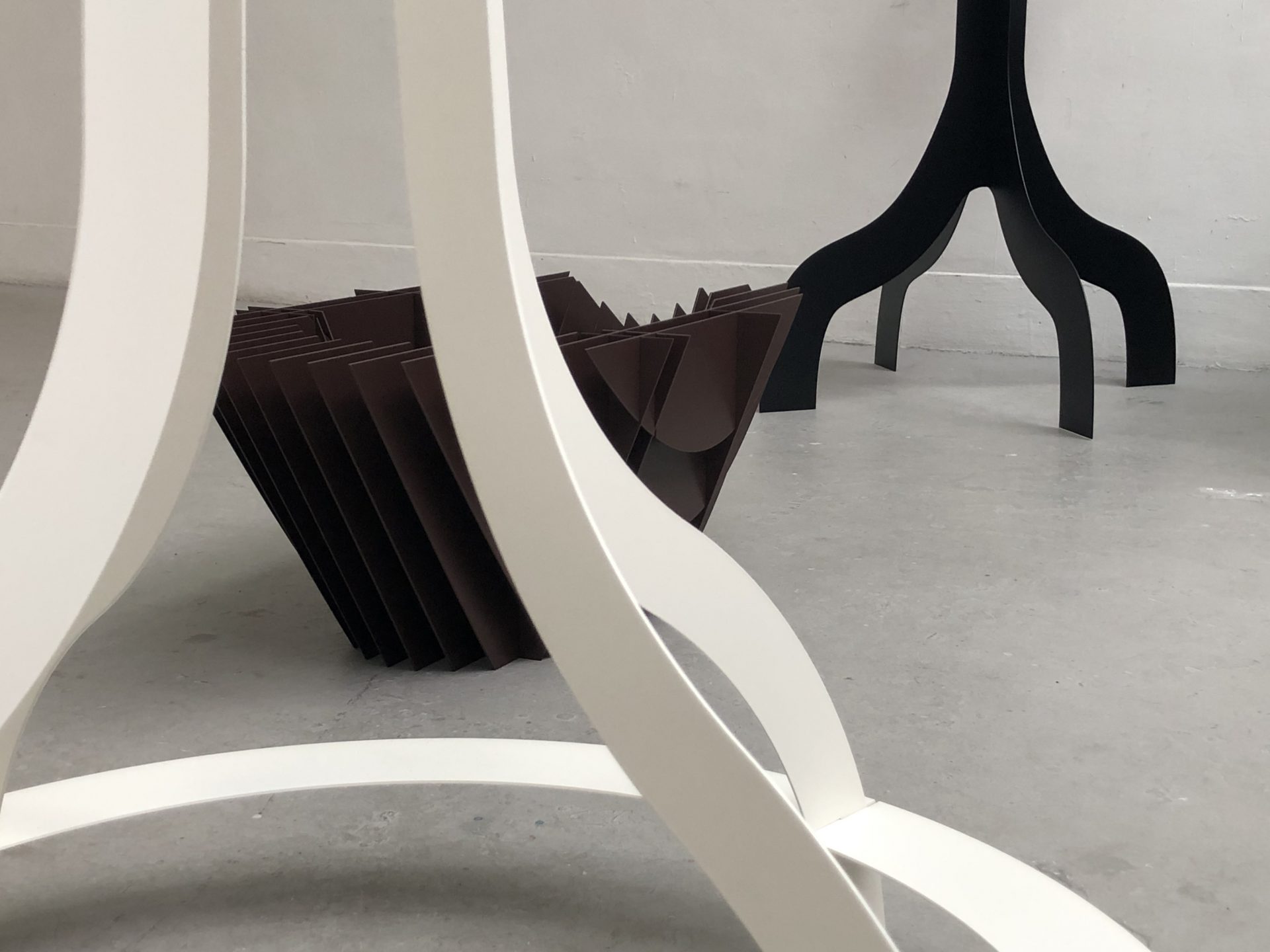
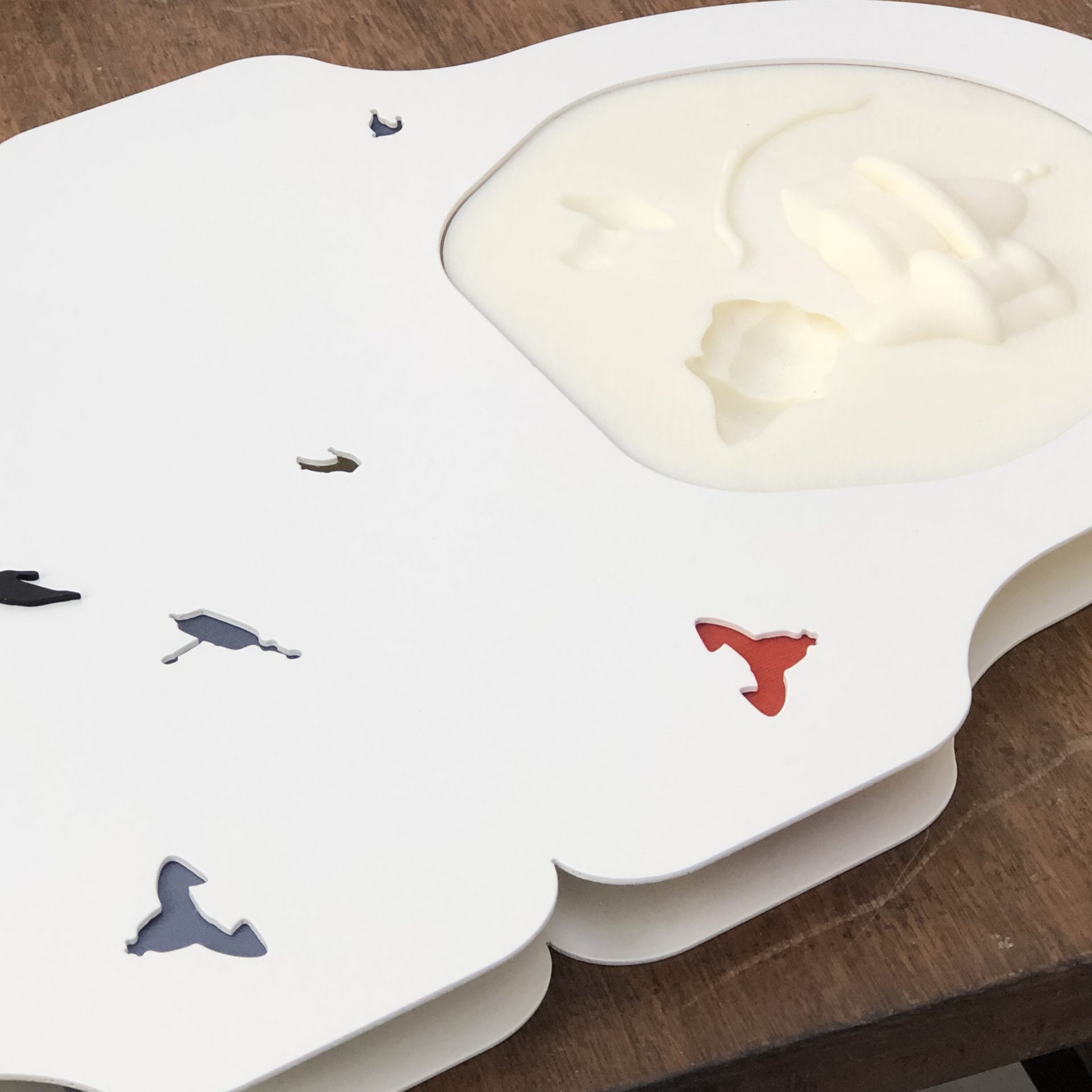
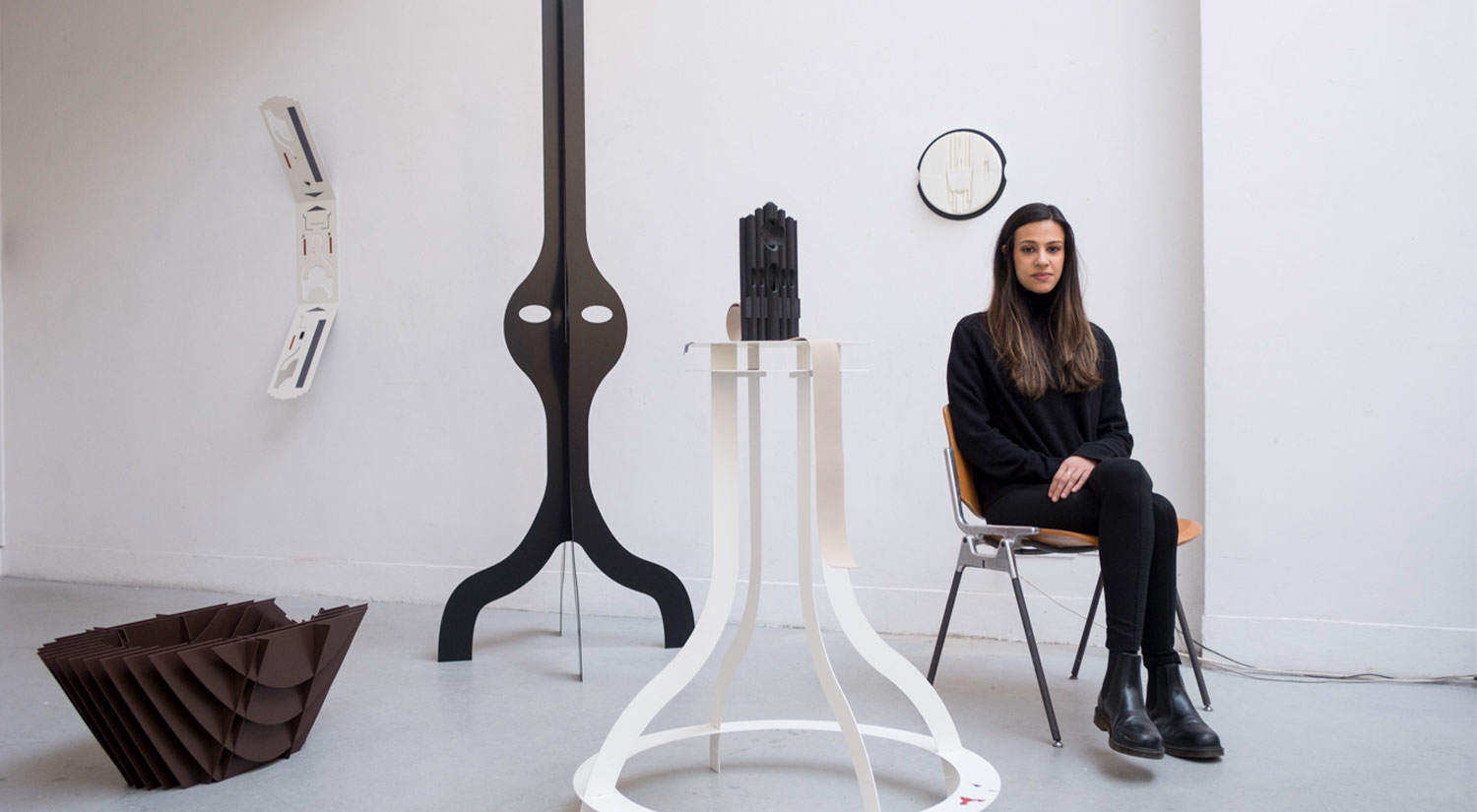
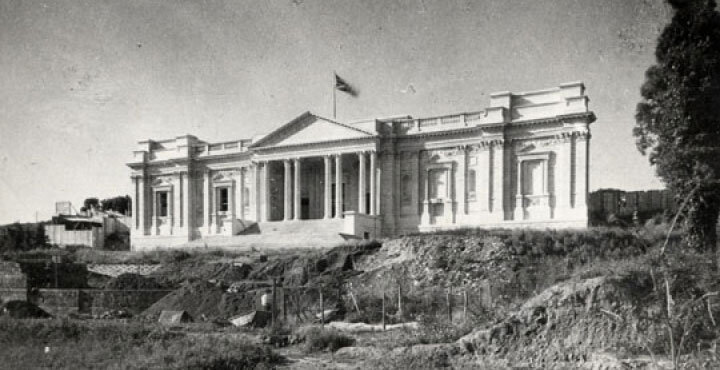
An interview with Amba Sayal-Bennett, Derek Hill Foundation Scholar, in which she speaks about the work she has produced during her residency at the BSR from January–March 2022, ahead of the March Mostra.
How does your use of abstract forms help you explore different identities, including the non-human?
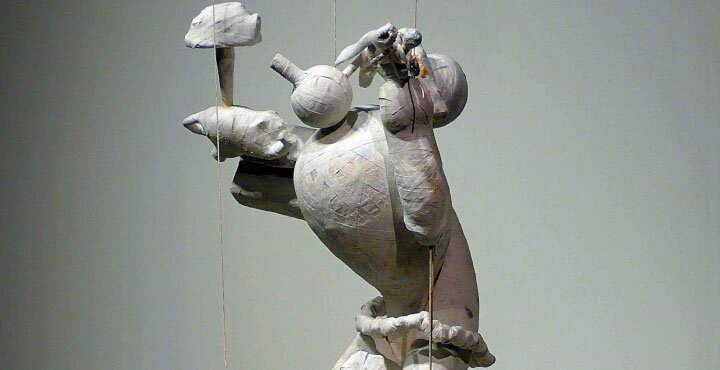
I have been exploring how processes of abstraction facilitate the possibility for different kinds of relations to otherness, ones that do not collapse, eradicate, or fetishize difference. I have been particularly interested in a book called ‘Abstraction and Empathy’ by Wilhem Worringer who suggests that empathy functions through a processes of identification with the other, whereas abstraction functions through a processes of non-identification, and therefore allows for instability and multiplicity, a means of communing with difference that resists its instrumentalization. By linking abstraction to otherness, I can engage with a type of alterity that bypasses essentialism and identity. I am also very interested in how abstraction operates within language, for example the translation of the voice to the written word. Language is used by humans however it is non-human. It is a culturally contextualised object that uses the voice as its host. I am interested in the ways in which language complicates stable and bounded notions of the human subject, and how the thinking, speaking, writing, subject can be understood as a posthuman entity.
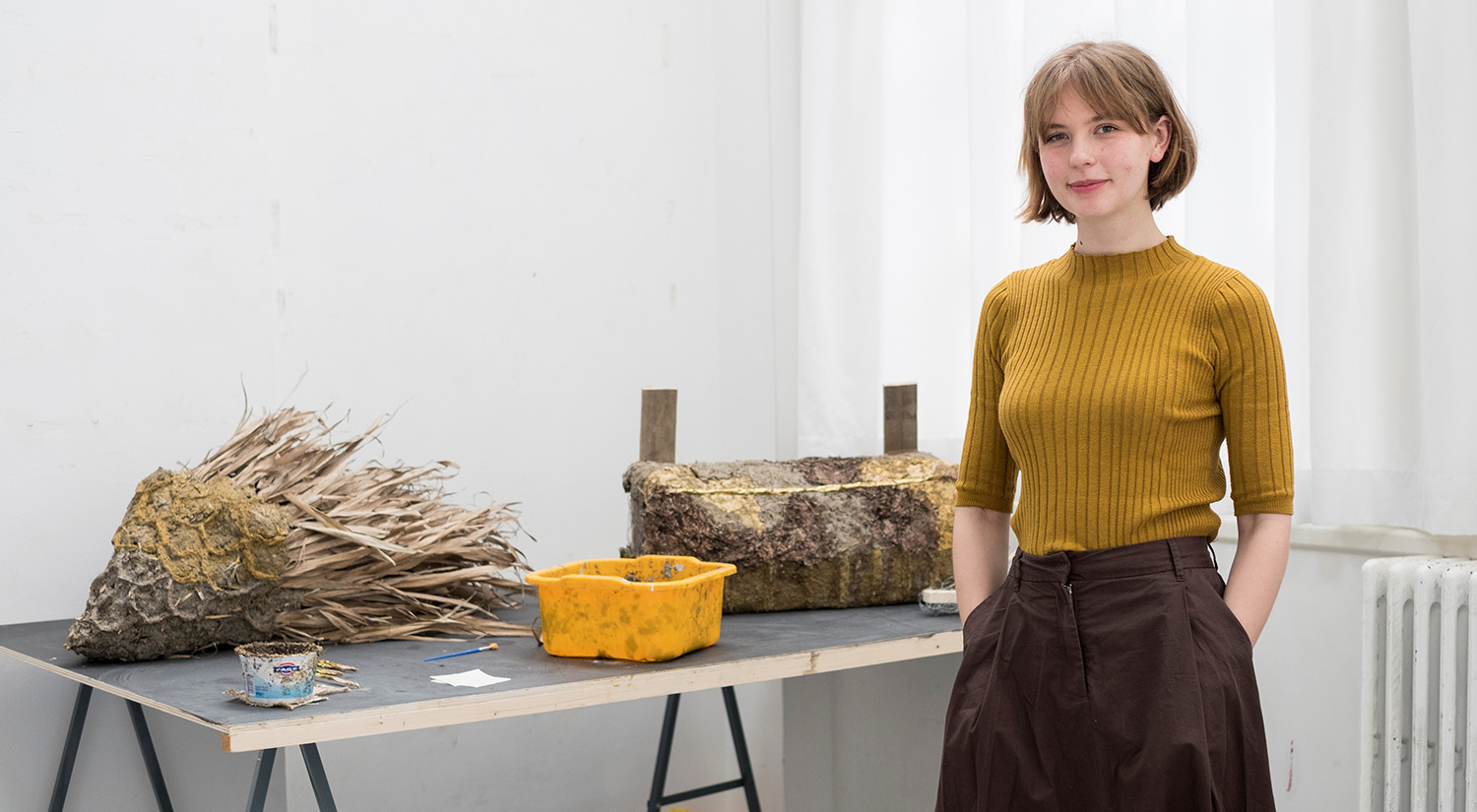
Detail of work in progress
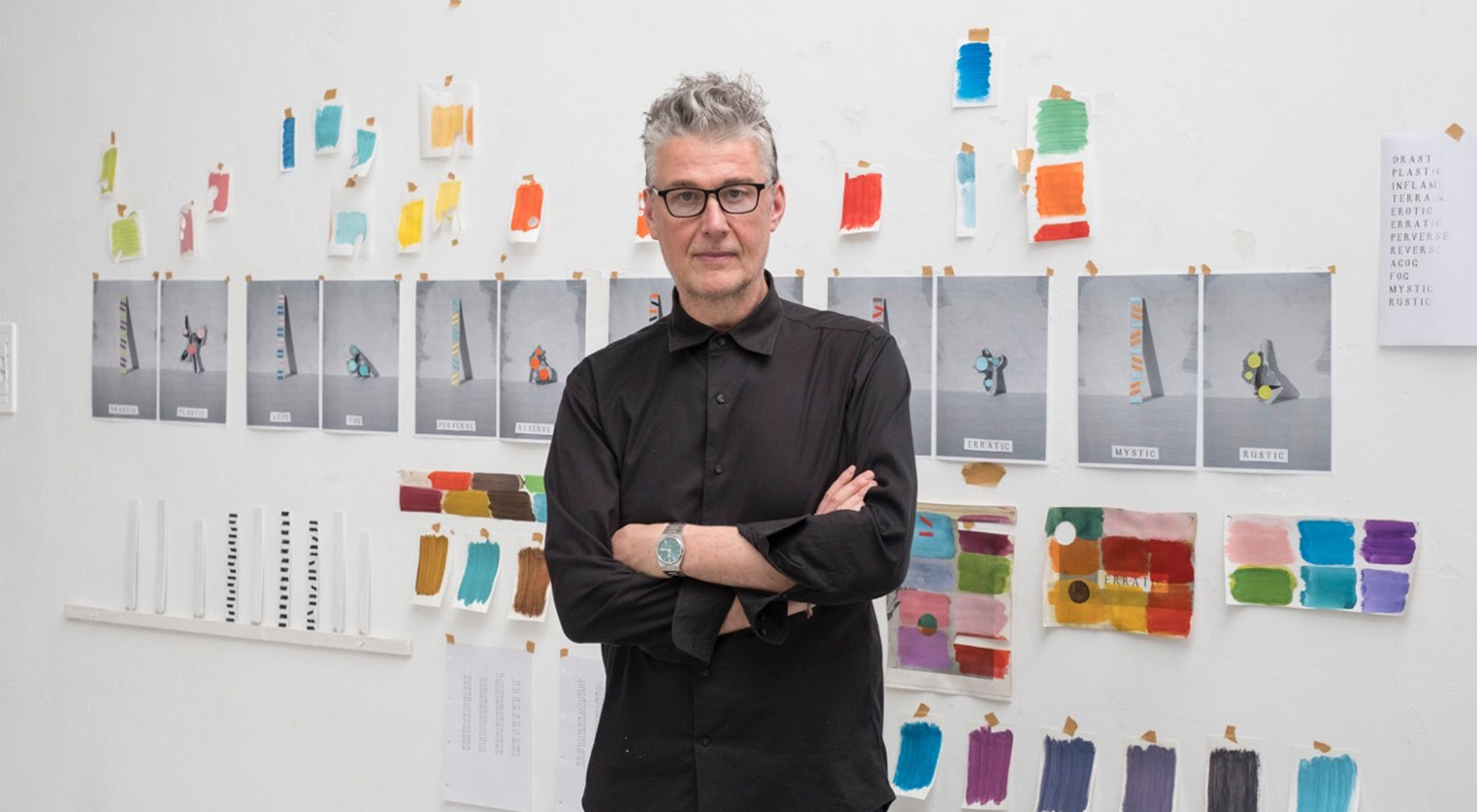
Detail of work in progress
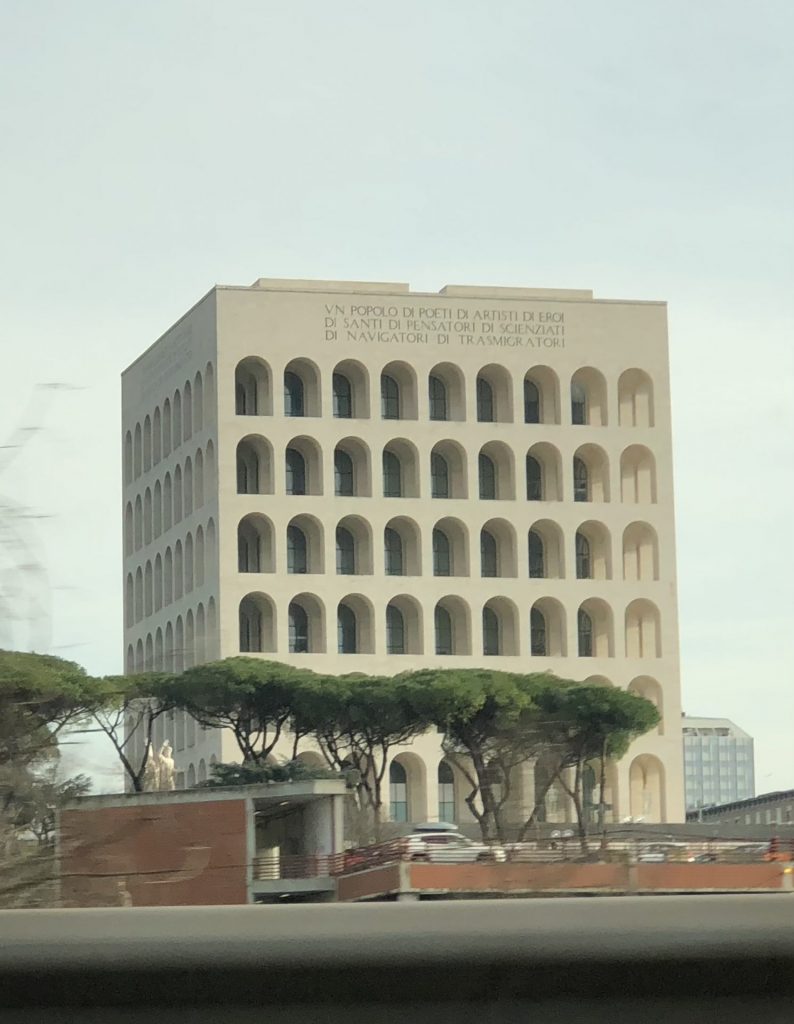
We talked a lot about architecture, can you tell us about your work in relation to the Roman urban landscape?
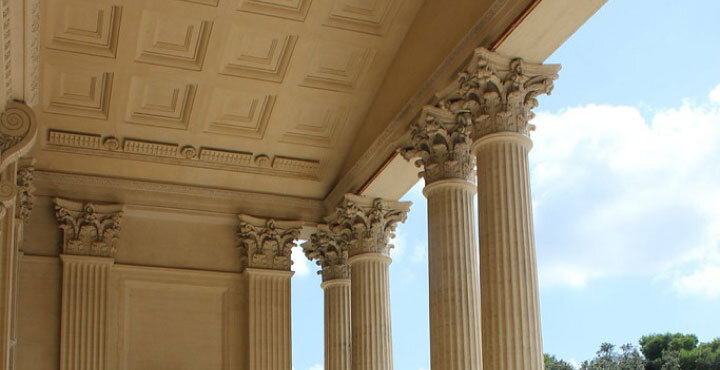
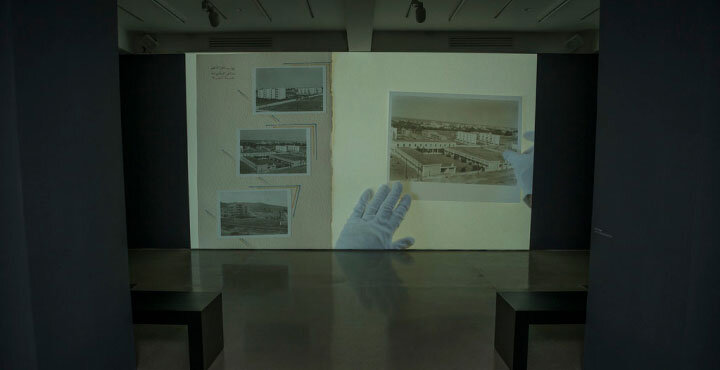
During my residency I have been looking at Fascist architecture within the city, an aesthetic that is both forward and backward looking, engaging with modernism in efforts to establish a new society. This aesthetic of control and mechanisation has been used elsewhere for similar reasons, such as Le Corbusier’s Chandigarh in the Punjab. Commissioned by Nehru in 1950, the purpose-built city of clean lines and rational forms was intended to look toward the future by cutting away violence of India’s partitioned past. I am interested in these failed utopic projects and the role of modernism in the expression of their ideologies. The ambiguity of seduction and fascination that we feel towards fascist architecture is important from a critical perspective. There is a question around inheritance, how do we develop ways to engage with this architecture and its legacies critically? In my studio practice, I have been using the methods of translation and speculation as forms of misuse. I have been interested in Sara Ahmed’s notion of Empire as gift which describes how the demand to use something properly, such as language, is the demand to revere what has been given. I have been thinking about translation as misuse within this context, as well as a form of remediation and self-revelation that allows for mutation in form.
Lisa-Marie Harris, Sainsbury Scholar at the BSR from January to June 2026, shares in this blog her reflections on her residency experience and the research
In this blog, David Osbaldeston, Abbey Fellow from January to March 2026, reflects on his residency experience and the research he presented at the Spring
Lisa-Marie Harris, Sainsbury Scholar at the BSR from January to June 2026, shares in this blog her reflections on her residency experience and the research
In this blog, David Osbaldeston, Abbey Fellow from January to March 2026, reflects on his residency experience and the research he presented at the Spring
We use cookies on our website to give you the most relevant experience by remembering your preferences and repeat visits. By clicking “Accept All”, you consent to the use of ALL the cookies. However, you may visit "Cookie Settings" to provide a controlled consent.
This website uses cookies to improve your experience while you navigate through the website. Out of these, the cookies that are categorized as necessary are stored on your browser as they are essential for the working of basic functionalities of the website. We also use third-party cookies that help us analyze and understand how you use this website. These cookies will be stored in your browser only with your consent. You also have the option to opt-out of these cookies. But opting out of some of these cookies may affect your browsing experience.
Necessary cookies are absolutely essential for the website to function properly. These cookies ensure basic functionalities and security features of the website, anonymously.
Cookie
Duration
Description
cookielawinfo-checkbox-advertisement
1 year
Set by the GDPR Cookie Consent plugin, this cookie records the user consent for the cookies in the "Advertisement" category.
cookielawinfo-checkbox-analytics
11 months
This cookie is set by GDPR Cookie Consent plugin. The cookie is used to store the user consent for the cookies in the category "Analytics".
cookielawinfo-checkbox-functional
11 months
The cookie is set by GDPR cookie consent to record the user consent for the cookies in the category "Functional".
cookielawinfo-checkbox-necessary
11 months
This cookie is set by GDPR Cookie Consent plugin. The cookies is used to store the user consent for the cookies in the category "Necessary".
cookielawinfo-checkbox-others
11 months
This cookie is set by GDPR Cookie Consent plugin. The cookie is used to store the user consent for the cookies in the category "Other.
cookielawinfo-checkbox-performance
11 months
This cookie is set by GDPR Cookie Consent plugin. The cookie is used to store the user consent for the cookies in the category "Performance".
CookieLawInfoConsent
1 year
CookieYes sets this cookie to record the default button state of the corresponding category and the status of CCPA. It works only in coordination with the primary cookie.
elementor
never
The website's WordPress theme uses this cookie. It allows the website owner to implement or change the website's content in real-time.
viewed_cookie_policy
11 months
The cookie is set by the GDPR Cookie Consent plugin and is used to store whether or not user has consented to the use of cookies. It does not store any personal data.
Functional cookies help to perform certain functionalities like sharing the content of the website on social media platforms, collect feedbacks, and other third-party features.
Performance cookies are used to understand and analyze the key performance indexes of the website which helps in delivering a better user experience for the visitors.
Analytical cookies are used to understand how visitors interact with the website. These cookies help provide information on metrics the number of visitors, bounce rate, traffic source, etc.
Cookie
Duration
Description
_ga
1 year 1 month 4 days
Google Analytics sets this cookie to calculate visitor, session and campaign data and track site usage for the site's analytics report. The cookie stores information anonymously and assigns a randomly generated number to recognise unique visitors.
_ga_*
1 year 1 month 4 days
Google Analytics sets this cookie to store and count page views.
_gat_gtag_UA_*
1 minute
Google Analytics sets this cookie to store a unique user ID.
_gid
1 day
Google Analytics sets this cookie to store information on how visitors use a website while also creating an analytics report of the website's performance. Some of the collected data includes the number of visitors, their source, and the pages they visit anonymously.
CONSENT
2 years
YouTube sets this cookie via embedded YouTube videos and registers anonymous statistical data.
Advertisement cookies are used to provide visitors with relevant ads and marketing campaigns. These cookies track visitors across websites and collect information to provide customized ads.
Cookie
Duration
Description
VISITOR_INFO1_LIVE
5 months 27 days
YouTube sets this cookie to measure bandwidth, determining whether the user gets the new or old player interface.
YSC
session
Youtube sets this cookie to track the views of embedded videos on Youtube pages.